Setting up Database Access with Amazon Aurora PostgreSQL
How to set up up Database Access with Amazon Aurora PostgreSQL.


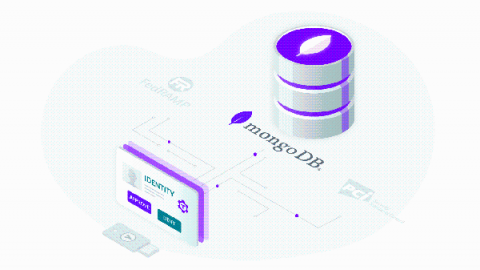
MongoDB is one of the most popular open-source databases. Unfortunately, this also means ubiquity of misconfigured and unsecured MongoDB deployments out in the wild. Just in recent years, we’ve seen several hacks involving thousands of MongoDB databases left exposed online without any protection, making them ripe for the hacker’s picking. It doesn’t have to be this way, though.
MySQL brands itself as the world’s most popular open source database. As popular as MySQL database is among developers and SQL enthusiasts, it is equally popular amongst hackers. Misconfigured server access, overprivileged roles, and weak authentication schemes are the most common security issues in MySQL database. While access control features provided by MySQL are adequate enough at the SQL level, it is error-prone to manage access at the operational level.
Enterprises are undergoing a dizzying pace of digital transformation. For many organizations, real-time analytics and insights are critical to the success of their transformation, and SAP HANA has become their database of choice, making their protection a must. While SAP HANA provides a rich ecosystem of native backup and recovery tools to specialist DBAs, they are often not accessible by the backup and infrastructure teams.
The choice for persistent storage for your cloud native applications depends on many factors including how your cloud journey started and whether your applications were migrated or developed for the cloud. Also, depending on how early you started using containers and migrated to Kubernetes, your distribution or managed service may not have offered the persistent data services you needed.
CloudCasa™, a simple, scalable, cloud-native data protection service that supports all leading Kubernetes distributions and managed services, is now generally available through the SUSE Rancher™ Apps & Marketplace. With increasing adoption of cloud database services, CloudCasa adds cloud database support starting with Amazon RDS to its Kubernetes data protection service – addressing both Kubernetes and RDS support in a single data protection service.
Databases are the Holy Grail for hackers, and as such, must be protected with utmost care. This is the first in a series of articles in which we’ll give an overview of best practices for securing your databases. We’re starting with one of the most popular open-source databases, PostgreSQL, and will go over several levels of security you’d need to think about.
If you have PostgreSQL or MySQL databases running behind NAT in multiple environments, this release of Teleport is worth downloading and playing with.
0:00 Introduction
0:26 Deployment Overview
1:31 Why use Teleport?
2:05 tsh setup
3:37 psql demo
4:25 Teleport Audit log
5:21 fleund Overview
6:01 Kibana Demo
6:35 Learn more at https://goteleport.com/database-access/
#postgres #mysql #teleport