Security | Threat Detection | Cyberattacks | DevSecOps | Compliance

How we differentiate ARMO Platform from Open Source Kubescape

In August 2021 we launched Kubescape with a mission to make Kubernetes security open source, simple, and available for everyone, even non-security engineers. Since then we have been working on adding new capabilities to Kubescape, while building a strong community around it. The acceptance of Kubescape by the CNCF, as a sandbox project, was an important milestone for ARMO’s open-source journey with Kubescape.


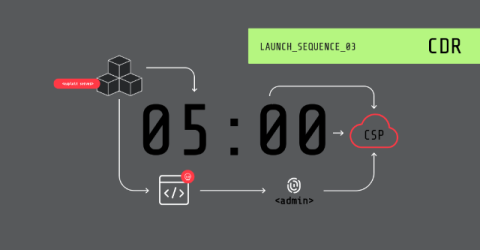
CDR: How Cloud Has Changed the Game

Some organizations are just beginning their migration to the cloud, while others are already firmly settled there, but almost everyone is in the cloud in some capacity by now. And for good reason: the cloud creates substantial advantages in speed, scalability, and cost. But the sobering reality is that modern threat actors have also made gains from migrating to the cloud. By weaponizing cloud automation, these threat actors can fully execute an attack in 10 minutes or less.

How to Address Kubernetes Risks and Vulnerabilities Head-on

Misconfigurations and container image vulnerabilities are major causes of Kubernetes threats and risks. According to Gartner, more than 90% of global organizations will be running containerized applications in production by 2027. This is a significant increase from fewer than 40% in 2021. As container adoption soars, Kubernetes remains the dominant container orchestration platform.

Securing AI in the Cloud: AI Workload Security for AWS

To bolster the security of AI workloads in the cloud, Sysdig has extended its recently launched AI Workload Security to AWS AI services, including Amazon Bedrock, Amazon SageMaker, and Amazon Q. This enhancement helps AWS AI service users secure AI workloads and keep pace with the speed of AI evolution.

Seccomp for Kubernetes workloads

Seccomp, short for Secure Computing Mode, is a security feature in the Linux kernel that plays a role in enhancing the security of systems. Initially introduced in Linux kernel 2.6.12 in 2005, seccomp was designed to restrict the system calls a process can make, effectively reducing the attack surface and limiting potential damage from compromised processes.

Five Key Achievements in EU Digital Policy: An Actionable Overview for Corporate Leaders

Digital compliance has become a significant focus for any organisation providing or consuming digital products and services in Europe. With the continuous evolution of digital technology, businesses increasingly struggle to stay on the right side of the law and operate resiliently. So, strategic navigation is crucial.

How GitGuardian Provides Peace of Mind for Kubefirst

In the world of software development, the security of your code is paramount. This is especially true for GitOps shops like Kubefirst, where secrets, tokens, and repositories are constantly being updated and shared. John Dietz, CEO and technical co-founder of Kubefirst, shared his experiences with GitGuardian and how it has become an essential tool in their operations.

Wireshark: Ethereal Network Analysis for the Cloud SOC

Remember Wireshark from the good old days of your IT degree or early engineering adventures? Well, guess what? It’s still kicking and just as relevant today as it was back then, and guess what else? It is still open source! Do your engineering or security teams use it? There’s a good chance they do if you’re on-premises. Believe it or not, Wireshark isn’t just for the land of wires and cables anymore. With some help from Falco and Kubernetes, it has a place in the cloud SOC.