The need for strong cybersecurity has reached critical mass. Seventy-six percent of security leaders have reported an increase in cyber-attacks over the past year -- accelerated by the COVID-19 pandemic and a rapid shift from an in-office to a remote workforce and on-premises to cloud infrastructure.
In recent blogs, we’ve explored the role of Security Service Edge (SSE) technologies as part of a SASE architecture, and the key differences between SSE and SASE. But so far, we’ve focused more on overall functionality than on its realization and what SSE means from a cloud design and implementation perspective. In this post, we shift gears to put a spotlight on networking and infrastructure as it relates to security clouds.
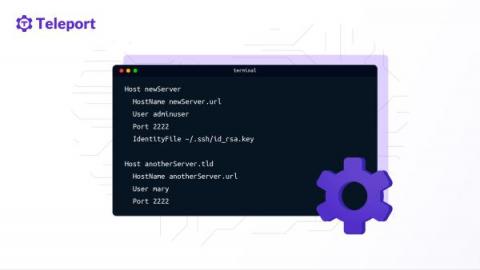
SSH client configuration files allow us to connect to servers with pre-configured commands. This saves typing each SSH command parameter when logging into a remote machine and executing commands on a remote device. This article will examine secure shell (SSH) client configuration (config) files and their functions. Specifically, we will show an example of an SSH client config file to learn how to use these files before creating an example config file that connects to a fictitious server.
With just about everything delivered from the cloud these days, employees can now collaborate and access what they need from anywhere and on any device. While this newfound flexibility has changed the way we think about productivity, it has also created new cybersecurity challenges for organizations. Historically, enterprise data was stored inside data centers and guarded by perimeter-based security tools.