Emerging government regulations have driven the advancement of standards for securing software supply chains. The production of a Software Bill of Materials (SBOM) in a standard format is an increasing audit and compliance need for large organizations.
Organizations are always concerned with improving efficiencies to make business flow smoother. Some of the biggest inefficiencies in any business revolve around time wasted on operational tasks. Whether it is a stale accounting process, or something as trivial as routing phone calls to the proper department, saving time by improving a process can mean more profits, which is what business is all about.
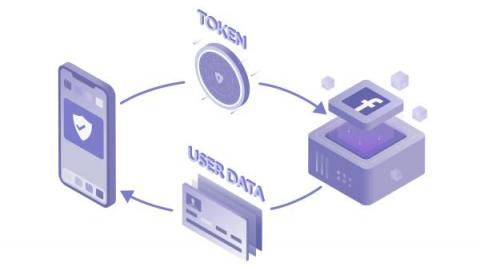
The modern human likely has profiles on dozens of applications. Whether it’s social media applications, music/video streaming, or workspace resources, each of us must manage accounts that contain personal information. Over time, these siloed applications have become increasingly connected. Twitter allows news sites to directly tweet, Discord searches Facebook for suggested friends, and Jira creates user accounts using Github profiles.
For most organizations, Security Operations Center (SOC) teams have long since been their first line of defense. These SOC systems efficiently ensure robust cybersecurity and are designed to detect, analyze, respond to, and prevent any cybersecurity incident that the organization might come across. Integrating a SOC within an organization aims to improve its cybersecurity posture, using a blend of state-of-the-art technology and skilled professionals.
From ransomware and viruses to data breaches, there are many types of security threats to look out for. Because they’re becoming more complex, it’s getting more difficult to secure your organization and avoid the financial and reputational consequences. While some organizations use traditional security measures, such as encrypting data or using antivirus software, businesses should also take a look at more advanced solutions, such as open source security and license management services.