Healthcare Sector Leads The Way For Fix Rate Of Software Security Flaws
Still, 77 percent of healthcare apps contain vulnerabilities and 21 percent of these are categorized as "high severity".


The NSO Group, the vendor behind Pegasus, is struggling financially, and to solve their money problems, the company is now considering selling their surveillanceware to governments with poor human rights records.
Please wait while flipbook is loading. For more related info, FAQs and issues please refer to DearFlip WordPress Flipbook Plugin Help documentation. DearFlip: Loading PDF Worker... Netacea’s Threat Research team investigated the top five items targeted by scalper bots from April to June 2022. The research revealed we are approaching a pivotal moment in the war on scalper bots.
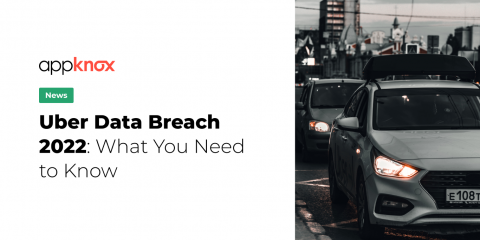
The world of digital security has been under the spotlight for various reasons in the last year. Several high-profile incidents have directly impacted the general public, from cyber attacks to privacy scandals. Uber is the latest company to be caught up in this whirlwind after hackers managed to breach their security and steal sensitive user data from the ride-hailing service. This article provides an overview of what happened, what went wrong, and what you can do to keep your accounts safe.
Data loss prevention starts with data visibility. Without a clear idea of what data an organization has, where it lives, and how it’s used, data loss prevention (DLP) is essentially an exercise in futility. While the concept of data visibility may seem straightforward, in practice, it’s a challenge. The rise of remote work has led to a proliferation of devices and programs that prevent an IT team from getting a clear picture of where data lives.
Read also: crypto trading company Wintermute has lost $160 million in a hack, a 15-year-old Python bug puts at risk thousands of open-source projects, and more.
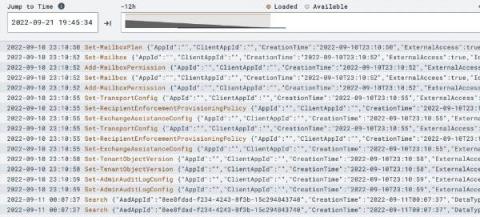
This post is the first of a multi-part blog series on various sources of telemetry. At LimaCharlie, we’re a firm believer in visibility. The more an analyst can see about their environment, the more impactful decisions they can make. We are huge fans of multi-source telemetry, bringing visibility from almost anywhere in your environment to one place for analysis, detection, and response capabilities.
The healthcare industry is transforming patient care through software, from 24/7 digital patient portals, to AI-fueled medical research, and everything in between. As innovation reaches new heights, how does healthcare stack up against other sectors in terms of software security flaws and the ability to remediate them?