Security | Threat Detection | Cyberattacks | DevSecOps | Compliance

Safer Internet Day 2023: Protecting Your Personal Data

February 7th is the 20th Safer Internet Day, a day to focus on addressing ways to reduce the risks created by our now very online world. Painting the internet as an inherently dangerous place full of predators and … would be using too broad a brush. The internet is an amazing technology - an information sharing resource unrivaled in depth, breadth, and reach. Despite all the good, useful, and fun the internet brings, it has one major drawback: on the other end of the computer is a person.

How to Secure Your Home WiFi Network

Wireless devices on your home networks can include everything from PCs, phones and tablets to IP cameras, voice assistants, smart TVs and connected appliances. Simple precautions you take to secure your home WiFi network will help prevent cybercriminals from accessing your devices and stealing your data. You can secure your WiFi network by creating a separate guest WiFi network, turning on your router’s encryption, using a VPN for further protection and more.

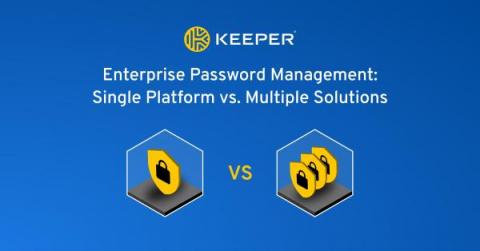
Enterprise Password Management: Single Platform vs. Multiple Solutions

An IT challenge as old as Software as a Service (SaaS) exists in every corner of the organization — whether to have a single technology vendor or multiple solutions. In some organizations, this is the case for password managers. And since software features vary, there are compelling reasons that lead an organization to have a single solution or more than one.

What's the Difference Between HTTP vs HTTPS?

One of the biggest indicators of a suspicious or unsecured website is whether or not the site is HTTPS-secured. In many cases, spoofed, phishing, malicious, or typosquatted websites use HTTP instead of HTTPS, which has encryption and verification protocols built in to ensure safe data transmission between servers and browsers. The main difference between HTTPS and HTTP is that HTTPS establishes a secure internet connection via encryption, whereas HTTP does not.

The UK's NCSC Cyber Essentials Zero Trust Update: Explained

Late in January this year, the UK’s National Cyber Security Centre announced an update to its Cyber Essentials scheme in order to ensure it “continues to help UK organisations guard against the most common cyber threats”. This year’s update isn’t an overhaul on the same scale as last year’s, but it did include important new guidance about zero trust architectures.

How Blockchain Technology Is Impacting Cryptocurrency

Cryptocurrencies have become the latest buzz in the online world. Experts are speculating that this new technology will revolutionize the financial system with its soaring crypto prices, and even change the way we live our lives. This article aims to demystify cryptocurrencies, blockchain technology and demonstrate how they interact with each other to create a revolution of their own kind.

Checking In For Disaster: Credential Phishing Campaign Targeting the Hospitality Industry

Since late December 2022, the ThreatSpike team has noticed a significant rise in highly targeted phishing campaigns aimed at the hospitality sector, which distribute infostealer malware. The threat actors (TAs) are primarily targeting front desk and reception staff, as they are responsible for handling customer queries via a generic email that can easily be found on the company website.