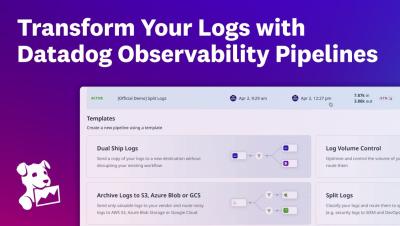
Enrich, Parse, and Control Logs with Observability Pipelines for Datadog Cloud SIEM

See how Datadog Observability Pipelines helps security and operations teams take control of their log data. In this demo, we’ll walk through: With Datadog, you can normalize, enrich, and prepare high-quality log data for Cloud SIEM, supporting faster investigations, more accurate detections, and reduced operational overhead—all without third-party software.


LevelBlue Managed WAAP Enables Organizations to Solve Day 1 WAAP Implementation Challenges

Deploying Web Application and API Protection (WAAP) systems is crucial for bolstering cybersecurity defenses. Akamai reported 108 billion API attacks over 18 months, underscoring the value of APIs to cybercriminals. Like any new security measure, the initial deployment brings various challenges during the "Day One" process. These Day One challenges should not compromise security effectiveness or disrupt business operations.

From Lure to Breach: 3 Phishing Tactics to Watch

In our previous post, The ABC’s of Ishing, we broke down the foundational tactics used by cybercriminals to deceive users and gain unauthorized access. This follow-up report expands on that foundation by exploring three evolving phishing threats that go beyond traditional email lures. Angler Phishing, Calendar Phishing, and Captcha Phishing each exploit trust in everyday digital tools—social media platforms, calendar invites, and CAPTCHA challenges.

Security Potpourri: SOCs, automation, and penetration testing with Cliff Janzen

Cliff Janzen, CISO and VP of Security Services at Arctiq, joined us for Defender Fridays for a special "Security Potpourri" session! What's on the menu? > SOC operations and optimization> Security automation strategies> Penetration testing insights> The current state of security landscape> All through Cliff's expert lens and real-world experience.

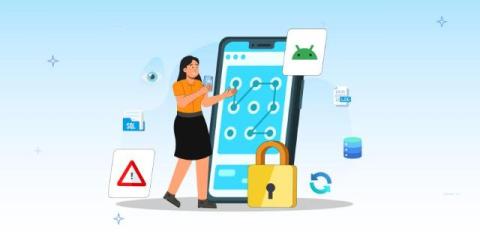
Unlocked & Exposed: The Hidden Risks of Android App Local Storage

Every Android app relies on local storage to function. Whether it’s user credentials, API tokens, cached data, or session details, applications often write sensitive information to the device. And every one of those storage points is a potential entryway for attackers if not properly secured. The problem isn’t storage itself but how data is stored. Weak implementation choices expose critical information to attackers, malware, or even forensic tools.

Have we reached true anonymous AI? #cybersecurity #ai

PromptLock ransomware represents a chilling evolution: AI that makes real-time decisions about your data. Unlike traditional ransomware that blindly encrypts everything, this malware uses a locally-hosted LLM to analyze file contents and decide whether to exfiltrate or encrypt based on what it finds. It's essentially agentic AI making autonomous threat decisions.

Why traditional IAM can't keep up, and how orchestration can fix it

Identity touches everything in modern IT. Whether it’s logging into email, provisioning a VM, or accessing a CRM, identity and access management (IAM) is the digital backbone of work. Yet the controls meant to safeguard it haven’t kept up with the scale, speed, and complexity of today’s environments. The cracks show up everywhere.

Attackers Abuse Google's AppSheet to Send Phishing Emails

Hackread reports that attackers are abusing Google’s AppSheet platform to send phishing emails. The campaign was spotted by researchers at Raven, who warn that attackers are sending messages that impersonate AppSheet, informing users of phony trademark violations. Notably, the emails are sent from AppSheet’s legitimate infrastructure, making them more likely to bypass security controls and appear legitimate to human recipients.