In the midst of the COVID-19 pandemic, even companies that had said no to BYOD have come to terms with it, as a fair share of remote work would not even be possible without such a policy. Pandemic or no pandemic, on-the-go data access has always enabled employees to get work done quickly and efficiently. It guarantees better communication with colleagues, improves customer service, and device familiarity brings employee satisfaction and increased productivity.
The new Devo eBook, Building the Modern SOC, presents four evolutionary steps for creating a highly automated and efficient security operations center (SOC) that empowers analysts. This is the third in a series of posts highlighting the most important elements of the four steps. Previous posts covered Step 1, establishing a foundation of centralized, scalable visibility, and Step 2, extracting intelligent insights from your data.
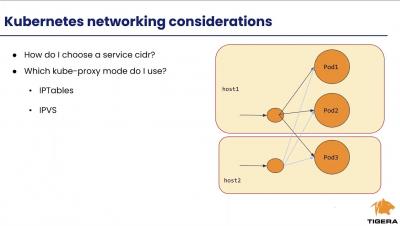
Organizations are modernizing IT infrastructure, restructuring teams, and accelerating application delivery with containers and Kubernetes. As with any technology, organizations are at various places within their journey. However, according to Gartner, more than 75% of global organizations will be running containerized apps in production by 2022. Chances are your team is using containers for some applications.
2020 has been a challenging year. Organizations had to quickly figure out how to secure employees and mobile endpoints working outside their existing perimeter-based controls. To take a step back, 2020 isn’t an anomaly. This shift to mobile-first was happening well before the pandemic.
It is that time of year again where we start planning resolutions for the coming year. A good start is putting cybersecurity on the top of the list whether you are a business or individual. According to a University of Maryland study, Hackers attack every 39 seconds, on average 2,244 times a day. It may be even higher now that more of us are working remotely because of Covid19 and the attack surface has greatly expanded in numbers and vulnerability.
Modern languages like Python, NodeJS, and Go make it easy to handle concurrent requests for multiple customers at the same time by using threads or goroutines. Such services seem very cost effective because one process can handle hundreds or thousands of tenants. However, this efficiency comes at a hidden, steep price. When language runtime scheduling breaks down, one tenant can cause an outage for everyone.
Our article provides an overview of the most common forms of computer viruses along with some punches of computer fun facts, history & interesting facts about computer viruses and other types of malware. A few weeks ago, we also published cyber security glossary, simplifying geeky terms for general readers.
December 1, 2020 Miamisburg, OH – Ignyte Assurance Platform, the integrated cyber risk assurance company, announced it has achieved ISO/IEC 27001:2013 certification, recognizing its commitment to providing customers with the highest level of information security management. Following an extensive audit process, the certification was issued by an ANAB and UKAS Accredited Certification Body based in the United States.