Risk-based security now more important than ever for Energy and Utilities!

This is the third of three blogs in a series to help the energy and utility industries. You can read the first blog on Ransomware and Energy and Utilities and the second blog on Threat Intelligence and Energy and Utilities as well.


SecurityScorecard Finds USAID Hack Much Larger Than Initially Thought

SecurityScorecard’s Investigations & Analysis team conducted an investigation into the details surrounding the USAID.gov attack. As has been previously reported, the attack has been potentially attributed to the organization commonly known as Cozy Bear, but our investigation found that the campaign is likely much larger, and began much earlier than has been reported.

PHI Compliance: What It Is and How To Achieve It

For organizations that work in or partner with the healthcare industry, HIPAA compliance is of paramount importance. Keeping a patient’s medical records and personal information safe isn’t just a matter of avoiding penalties. It’s also key to building trust with patients and, ultimately, providing great patient care. Here’s what health organizations and their partners need to know about PHI and keeping it secure.

The Payments Canada SUMMIT: Making the Vision of Modernization a Reality

A couple of weeks ago The Payments Canada SUMMIT gathered more than 2,000 delegates from financial institutions in Canada and around the world for a virtual one-week conference. INETCO was a sponsor of Canada’s premier payments event. Our team participated in industry discussions, met peers, and learned more about future innovation opportunities in the financial ecosystem. 2021 was a record-breaking year for The Payments Canada SUMMIT.

Introducing New Cloud Security Monitoring & Analytics Apps

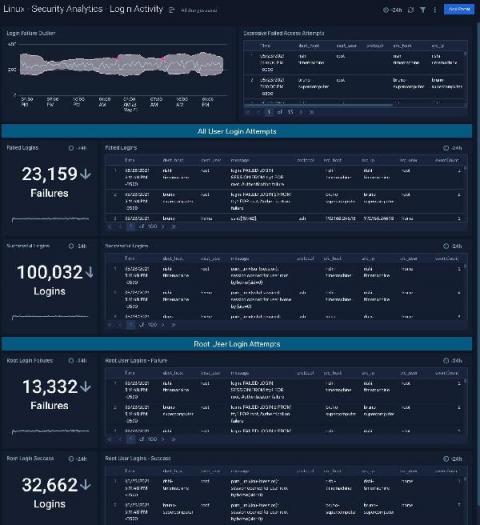
Companies generate data at an exponential rate, and the task of analyzing data to produce relevant security insights can be overwhelming. With evolving market dynamics and threat landscapes, security teams have a greater need for integrated and scalable monitoring that provides real-time and meaningful insights into the state of organizational security posture.

Understanding Mobile Application Penetration Testing Methodologies

Mobile Application Penetration Testing Methodology as a security testing measure, analyses security perimeters within a mobile environment. Derived from the traditional concept of application security methodology, its main focus lies on client-side security and it broadly puts the end-user in control. By conducting penetration testing, companies can gain insights into the source code’s vulnerabilities, bottlenecks, and attack vectors beforehand.

Scan for AWS CloudFormation misconfigurations with Snyk IaC

We’re excited to announce the launch support for AWS CloudFormation in Snyk Infrastructure as Code. In our recent Infrastructure as Code Security Insights report, we found that 36% of survey participants were using AWS CloudFormation (CF) as their primary infrastructure as code tool of choice. Using Snyk Infrastructure as Code, you can now scan your CF YAML or JSON templates against our comprehensive set of AWS security rules.

Cloud Threats Memo: Illustrating Big Risks in the Shift to Remote Working

The exploitation of traditional remote access technologies is reaching new records. That, in a nutshell, is the main finding of Nuspire’s Threat Landscape Report Q1 2021. The report, sourced from 90 billion traffic logs during Q1 2021, looks at a range of events such as malware activity, botnet activity, exploitation activity, and remote access. The remote access section probably best illustrates the risks posed by the sudden shift to remote working.

Privacy Laws Comparison: Russia vs. China vs. USA

The data privacy regimes in Russia, China, and the United States are very different from the regimes elsewhere. The financial lure of selling to, or processing data on, EU residents is strong, which has led other countries to adopt the General Data Protection Regulation (GDPR) or something like it. Russia, China, and the United States are large enough for other forces to dominate, including the desire to have their citizens’ data stored locally, as we’ll see.