How Biden's Executive Order on Improving Cybersecurity Will Impact Your Systems

President Joe Biden recently signed an executive order which made adhering to cybersecurity standards a legal requirement for federal departments and agencies. The move was not a surprise. It comes after a string of high-profile cyber-attacks and data breaches in 2020 and 2021. The frequency and scale of these events exposed a clear culture of lax cybersecurity practices throughout both the public and private sectors.
Top vulnerability assessment and management best practices

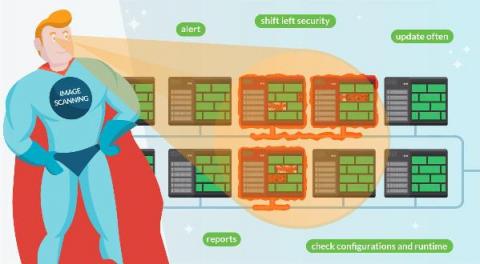
By implementing these vulnerability assessment and vulnerability management best practices you will reduce the attack surface of your infrastructure. We’re human, and many things we build aren’t perfect. That’s why we take our cars for a periodic inspection, or why we have organizations certifying that products are safe to use. Software is no different.

Understanding Insider Threats: Definition and Examples

Insider threats remain one of the biggest issues plaguing cybersecurity. A study by Ponemon shows that the costs of insider threats leaped 31% in just two years, from $8.76 million in 2018 to $11.45 million in 2020. The same report shows that it takes companies an average of 77 days to contain an insider threat incident. Forrester predicts that insider threats will cause 31% of data breaches by the end of 2021, up from 25% in 2020.

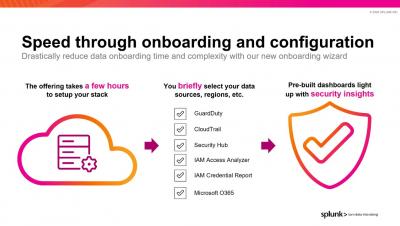
Detecting and Investigating Threats in Splunk Security Analytics for AWS

Splunk Security Analytics for AWS’s pre-built, AWS-specific detections and dashboards allow you to easily visualize your AWS environment and centralize your security analysis and investigations. We’ll walk through some of the offering’s key dashboards and detections in this video, as well as the investigation interface.

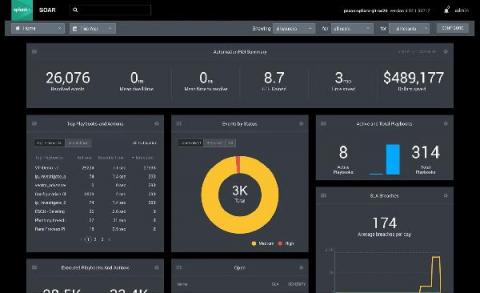
SOCtails Episode 4 - Respond Fast to Security Incidents with Automated Playbooks

Investigating and responding to phishing attacks is tedious and time-consuming. Kevin responds to phishing attacks by following a step-by-step manual process catalogued in his "Cybersecurity Playbook." Jeff shows Kevin an easier and faster way to respond using automated playbooks from Splunk SOAR (formerly known as Splunk Phantom).

Announcing State of Software Security v11: Open Source Edition

Today, we published the open source edition of our annual State of Software Security report. Solely focused on the security of open source libraries, the report includes analysis of 13 million scans of more than 86,000 repositories, containing more than 301,000 unique libraries. In last year’s open source edition report, we looked at a snapshot of open source library use and security.

Introducing the World's First Modern Cloud-Based SecOps Platform: Splunk Security Cloud

To say that the past year presented its fair share of cybersecurity challenges to the InfoSec community would be a drastic understatement. The rapid migration to remote work at scale left 80% of CIOs unprepared, and SecOps teams struggled to confront the evolving threat landscape with disparate toolkits and skill sets. Not to mention that as more organizations shifted to hybrid and multi-cloud environments at scale, cloud complexity (and cloud-based threats) skyrocketed.

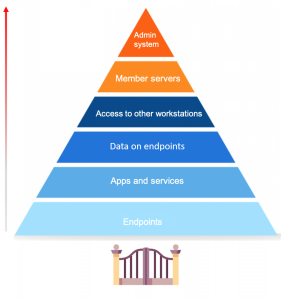
The role of endpoints in the security of your network

Endpoint security is a hot topic of discussion, especially now with so many businesses shifting to remote work. First, let’s define what endpoints are. Endpoints are end-user devices like desktops, laptops, and mobile devices. They serve as points of access to an enterprise network and create points of entry that function as gateways for malicious actors. Since end-user workstations make up a huge portion of endpoints, we’ll be focusing on their security.