Detectify developing API security testing with fuzzing

Yes the rumors are true, the teams at Detectify are working hard at researching and developing security testing for APIs. Senior security researchers, Tom Hudson and Fredrik Nordberg Almroth answer questions about API security. Just like web apps, APIs can’t be secured with rule-based automated scanners - they need context! That’s why we are developing our fuzzing engine to cover public-facing APIs and test them like a hacker would.


Mapping the Attack Surface for Insurance Applications

As insurance organizations look to attract and engage customers, the growing use of web applications has increased their cyber exposure and the risks of cyberattacks. In this benchmark study, we analyzed the attack surface of the top 10 insurers in Europe to highlight the common attack vectors and security weaknesses that could be exploited – from page creation method to vulnerable components – and our top tips for reducing web application security risks.

Why Cybersecurity is Critical to Maintaining HIPAA Compliance

When exploringhttps://securityscorecard.com/admin/entries/blog/154640?draftId=2332&fresh=1# top network security breaches, many think of the obvious: banks or large consumer institutions. However, healthcare organizations are on the rise as a top target for hackers, with the number of data breaches rising 36% in the second half of 2020.

How SCM Can Protect Against Skills-Based Errors and Mistakes

People make up an important part of an organization’s security posture. That’s because some employees have the rights necessary for accessing sensitive data as well as the privileges for viewing and/or editing critical systems. If those individuals have the right focus and training, they can play a crucial part in keeping those assets safe against digital attackers. But if they aren’t paying attention, they could do something that puts their employer at risk.

New sophisticated RAT in town: FatalRat analysis

AT&T Alien Labs™ has recently observed the presence of a new remote access trojan (RAT) malware in its threat analysis systems. The malware, known as FatalRAT, appears to be distributed via forums and Telegram channels, hidden in download links that attempt to lure the user via software or media articles.

Democratizing Automation for Security Teams

Everyone wants to automate security. Traditionally, though, doing so has been challenging because setting up security automation tools required a specialized set of skills that no one engineer at a company possesses. It’s time to change this state of affairs by democratizing security automation. Here’s why and how.

The best security advice from 100 episodes of The Secure Developer podcast

Technology, culture, and process all have to change to ensure safe software is delivered faster. It’s a lot to tackle. But you don’t have to do it alone. The Secure Developer, a podcast from Snyk’s founder Guy Podjarny, just hit 100 episodes of thought-provoking conversations with security experts at a wide cross-section of companies.

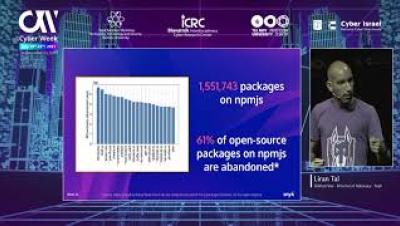
Are We Forever Doomed By Software Supply Chain Risks? Cyber Week Israel 2021, Liran Tal

The adoption of open-source software continues to grow and creates significant security concerns for everything from software supply chain attacks in language ecosystem registries to cloud-native application security concerns. In this session, we will explore how developers are targeted as a vehicle for malware distribution, how immensely we depend on open-source maintainers to release timely security fixes, and how the race to the cloud creates new security concerns for developers to cope with, as computing resources turn into infrastructure as code.

Taking a Look at AWS and Cloud Security Monitoring

More and more companies understand the benefits of cloud computing, which is making their migration to the cloud more rapid. Per IDG’s 2020 Cloud Computing Study, 81% of organizations said that they’ve migrated either one application or a portion of their infrastructure to the cloud. The reasons why a company would shift its services towards the cloud depend on its business priorities, of course.