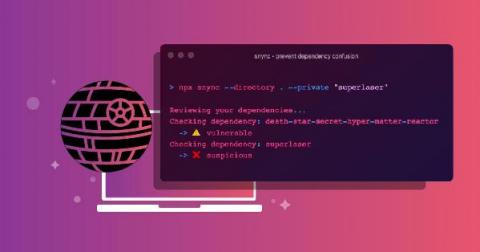
On February 9, 2021, Alex Birsan disclosed his aptly named security research, dependency confusion. In his disclosure, he describes how a novel supply chain attack that exploits misconfiguration by developers, as well as design flaws of numerous package managers in the open source language-based software ecosystems, allowed him to gain access and exfiltrate data from companies such as Yelp, Tesla, Apple, Microsoft, and others.
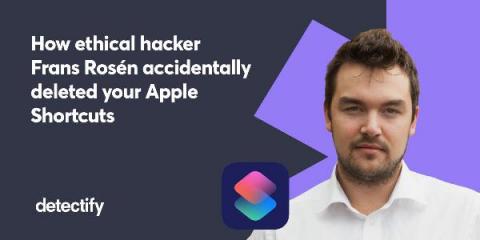
SHORT SUMMARY: STOCKHOLM, SWEDEN – In February 2021, Detectify co-founder and Crowdsource hacker Frans Rosén was looking for security bugs in Apple services. Noticing that many of Apple’s own apps store their data in public databases on Apple’s data storage framework CloudKit, Frans was curious to know if any specific apps’ data could be modified with access to the public CloudKit containers in which their data was stored. Long story short, they could.
Today’s organizations utilize a multitude of solutions to create, share and manage their sensitive content. That business reality is exacerbated by additional cloud file storage solutions that result from acquisitions, competing employee preferences, or shadow IT initiatives. So, it’s no surprise IT teams struggle to manage and control document and file system sprawl.
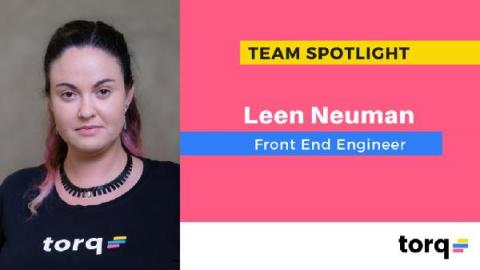
The #LifeatTorq Team Spotlight is a Q&A series dedicated to the talented and generally kick-ass team that form the foundation of our growing company. Today we are spotlighting Leen Neuman, a Front End Engineer at Torq, based in our Tel Aviv office.
To better understand your security posture, your security team needs visibility into your environment and infrastructure. But to achieve more granular visibility, they also need an effective and efficient way to collect data from company endpoints. Deploying an agent provides your security team with an efficient way to collect endpoint data in a scalable manner.