DSPM and Data Discovery: Finding and Classifying Sensitive Data at Scale

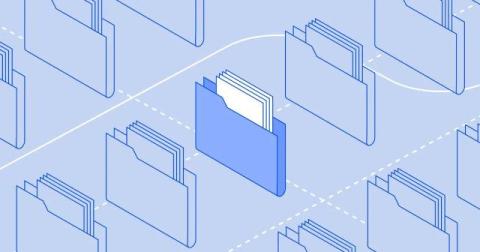
Proprietary data is the definitive differentiator in the age of AI. Models can be replicated, infrastructure can be rented, and tools can be replaced. What cannot be easily reproduced is institutional knowledge, customer insight, and strategic intent found in enterprise data. This data must be continuously identified, deeply understood, and actively protected as it changes state, location, and context.

Veracode CEO Brian Roche: How to Scale a Tech Company in the AI Era | Vlad Kachur Show Exclusive

How do you scale a world-class tech company while staying ahead in application security and AI-driven innovation? In this powerful exclusive interview on The Vlad Kachur Show, Brian Roche, CEO of Veracode, breaks down exactly how he transformed Veracode into one of the globe's leading application security platforms trusted by enterprises worldwide.

Why Threat Actor Context Matters for Cyber Risk Prioritization

Cyber threat intelligence is often presented as a catalog of named threat actors, past incidents, and attribution labels that promise clarity. For defenders trying to understand risk, this structure feels reassuring. It suggests that threats can be identified, tracked, and anticipated based on observed behaviors. In practice, that confidence is often overstated.

Amazon EC2 security: How misconfigured and public AMIs expand your cloud attack surface

Amazon Machine Images (AMIs) are templates for launching and scaling Amazon Elastic Compute Cloud (EC2) instances. Because Amazon EC2 AMIs are reused across environments and automation pipelines, decisions about how you build, source, manage, and share them directly affect your cloud attack surface.

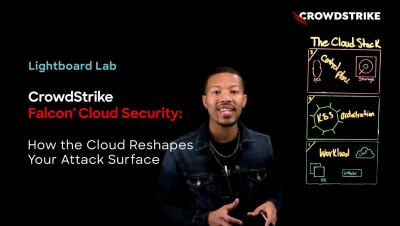
How the Cloud Reshapes Your Attack Surface

Cloud environments have reshaped the way applications are built and the way attackers break in. Traditional security strategies centered on malware and compromised endpoints are no longer enough. In today’s cloud, adversaries increasingly rely on valid credentials, identity abuse, and native cloud capabilities to move laterally and establish persistence without ever deploying malware.

SafeBreach's Evolution into an AI-First Development Team: Part 2

In this second installment of a series on the transformation of SafeBreach’s development organization, VP of Development Yossi Attas details a structured operational workflow that integrates Jira, BitBucket, and Claude Code to turn AI usage from ad-hoc prompting into a rigorous engineering methodology.

Governing Agentic AI: A Practical Framework for the Enterprise

In my previous piece, "The Agentic AI Governance Blind Spot," I laid out what I believe is one of the most critical gaps in the AI governance landscape today: the three most cited frameworks in AI governance, NIST AI RMF, ISO 42001, and the EU AI Act, don’t contain a single mention of agentic AI. Not one reference to autonomous agents, multi-agent systems, or AI that takes actions with real-world consequences. The response to that piece confirmed what I suspected.