The Data Sovereignty Imperative: The Evolution of Data Protection

In my previous blog, I covered the essentials of data sovereignty as a data protection concern for security professionals across domains. Data protection and digital trust will be paramount in the future due to data sovereignty and regulatory compliance mandates. As the Internet of Things (IoT) expands exponentially, the resultant security and privacy risk nexus further requires a holistic approach to data protection centered on both personal and enterprise data protection strategies.

Japanese Megabank SMBC Leverages Fireblocks for Stablecoins

One of Japan’s largest banks is leveraging Fireblocks, alongside other technology providers, to explore stablecoin initiatives, dialing up momentum in the Japanese digital asset space. Fireblocks, Sumitomo Mitsui Banking Corporation (SMBC), Ava Labs, and TIS have signed a Memorandum of Understanding (MoU) to initiate joint discussions on the commercial use of stablecoins.

What is the Difference Between Viruses, Worms, and Trojan Horses?

A tremendous surge has been seen in the number of systems infected with different types of malicious software over the past few years. Among the various types viruses, worms, and Trojan horses are some of the most well-known. These are often used interchangeably, but the fact is each of these has distinct characteristics and behaviors. Here in this blog, we are going to explain the difference between viruses, Trojan Horses, and worms for effective cybersecurity measures. Let’s begin!

Why Image Analysis is a Crucial Component of an Email Security Solution

While it’s well-known that email represents a significant source of cybersecurity threats, it’s not just the text included in emails that’s worrisome; images can be malicious as well. What’s more, images in emails may also present a threat of a different kind, including data leaks and content that’s not suitable for the workplace.

Charting the Course: How Paris Blockchain Week Mirrors the Path to Maturity of Digital Assets

I’ve returned from my fourth Paris Blockchain Week (PBW) with Fireblocks, which gives us a great opportunity to see how far we’ve come in the digital asset space. No longer a space for curious exploration, PBW is where we talk about implementation for mainstream adoption that’s happening today. And much like the industry, I’ve seen my own growth over the past five years at Fireblocks!

Redefining AppSec Testing with Intelligent Scan Recommendations and Asset Classification

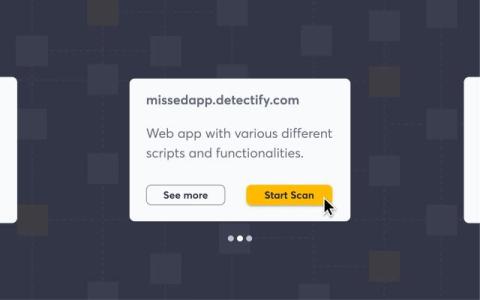
As 9 out of 10 valuable web apps are missing testing, we’re launching new capabilities to help teams know what else, beyond core applications, is likely to require in-depth testing. The new features automatically classify discovered web assets based on attacker reconnaissance techniques and deliver recommendations on where to run DAST, bridging the gap between broad and deep testing across the entire attack surface.

Zero trust for public sector organizations

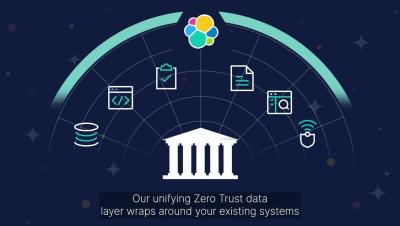
The “never trust, always verify” premise of Zero Trust requires a significant shift in how agencies evaluate security risks. Every transaction demands a risk assessment across every Zero Trust pillar — a tough task when the key data is locked in different systems and tools. But a unified data platform can essentially serve as the glue that connects all your systems, making them more integrated, accurate, and trustable.

What Is A Dictionary Attack and How To Prevent It

Have you ever wondered how hackers breach your accounts even if they don’t know your password? It’s not just luck or guesswork; a dictionary attack is one of many methods cybercriminals use to crack passwords and break into your online accounts. Throughout this article, we will break down what a dictionary attack is, how it works, and the steps you can take to prevent threat actors from cracking your passwords and stealing your personal information.