The speakers at ShowMeCon 2025 explored why policy isn't protection without validation. AI, identity, and threat detection must align to reduce operational risk.
Your IT department just sent out its annual reminder to complete security awareness training. Employees dutifully clicked through their training modules, passed a short quiz, and checked off the compliance box for another year. Ask yourself, does this process really give you confidence that your organization is prepared to dispel today’s security threats? Well, the odds aren’t in your favor.
I hear a lot these days about SBOMs and how they are going to be the key to supply chain security accountability, to even include a Presidential Executive Order mandating SBOMs in the procurement process for federal agencies. There are multiple areas of research going on in this area, such as this Academic SBOM Repository. But before we get too far down the road, let’s get one thing straight: SBOM isn’t going to save us. It’s a transparency tool, not a solution.
A staggering 74% of cybersecurity incidents originate from within, and when looking at insider risk, 82% of incidents result from unintentional actions by well-meaning employees. More people are working from home, bringing their own devices, and connecting globally, which is widening the threat landscape. Attackers are more advanced, as they utilize AI and other technology to make their phishing and hacking attempts more sophisticated.
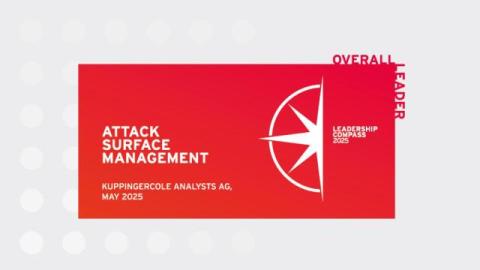
For the second time in a row, Bitsight has been named an Overall Leader in the KuppingerCole Leadership Compass for Attack Surface Management (ASM)—and it’s not just a title. The report offers a deep dive into how organizations are using ASM to get ahead of cyber threats by proactively managing their digital risk.
Did you know that it is estimated that 45% of organizations worldwide will have suffered attacks on their software supply chains this year? Cyber risk is real, and its consequences can be devastating. As digital transformation continues to reshape how businesses operate globally, cyber threats are increasing at a rapid and alarming pace. The term cyber risk refers to the damage posed by these cyber threats.
On June 4, Asana identified a bug in its Model Context Protocol (MCP) server and took the server offline to investigate. While the incident was not the result of an external attack, the bug could have exposed data belonging to Asana MCP users to users in other accounts.
There are many things in our lives we must prepare for to be ready. For other things, we wing it, or we're not prepared to deal with it at the moment. For me, I've reached that point in my life where I needed to have a medical procedure done, and it was something I've put off for several years. It may not be very comfortable to admit, but last week, I had a colonoscopy. That's not exactly how you'd expect a cybersecurity blog to start, but hear me out on this one!
Shadow AI refers to the unauthorized or unmanaged use of AI tools, models, frameworks, APIs or platforms within an organization, operating outside established governance frameworks. While employees may adopt these AI tools with good intentions, seeking to enhance productivity or solve problems more efficiently, the lack of oversight creates significant security, compliance, and operational risks.
Discover Veracode, the comprehensive application risk management platform designed for today's AI-driven world. This video provides an overview of how Veracode empowers organizations to build and deploy secure software by offering unified visibility, AI-driven prioritization, and integrated tools for detecting and remediating vulnerabilities. Learn about Veracode's key capabilities, including static analysis (SAST), dynamic analysis (DAST), software composition analysis (SCA), and risk management.