Security | Threat Detection | Cyberattacks | DevSecOps | Compliance

More InterPlanetary File System Services Use Also Means Phishing Abuse by Cybercriminals

The InterPlanetary File System (IPFS), a distributed file-sharing system that represents an alternative to the more familiar location-based hypermedia server protocols (like HTTPS), is seeing more use in file-storage, web-hosting, and cloud services. As might be expected, more use is accompanied by more abuse via phishing attacks.

Dallas Police Department is the Latest Victim of a Ransomware Attack

Unfortunately ransomware attacks have taken another victim. The City of Dallas recently confirmed that their police department suffered a ransomware attack. This attack shutdown essential services along with some 911 dispatch systems. This was announced in a statement by the city in a press release. "Wednesday morning, the City’s security monitoring tools notified our Security Operations Center (SOC) that a likely ransomware attack had been launched within our environment.

Snyk named to CNBC 2023 Disruptor 50 List

We are honored and humbled to announce Snyk has been named to the CNBC 2023 Disruptor 50 List, following our debut on the Disruptor List in 2021 and our listing as a Top Startup for the Enterprise in 2022. The full list was unveiled this morning. Industry recognitions like this are a testament to all of the hard work and dedication our global team puts into fulfilling our founding mission each and every day: equipping and empowering every one of the world’s developers to build securely.

Overcoming Security Gaps with Active Vulnerability Management

Organizations can reduce security risks in containerized applications by actively managing vulnerabilities through scanning, automated image deployment, tracking runtime risk and deploying mitigating controls to reduce risk Kubernetes and containers have become de facto standards for cloud-native application development due to their ability to accelerate the pace of innovation and codify best practices for production deployments, but such acceleration can introduce risk if not operationalized properly.

Leveling Up Security Operations with Risk-Based Alerting

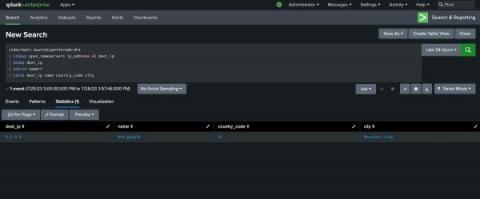
In life, you get a lot of different alerts. Your bank may send emails or texts about normal account activities, like privacy notices, product updates, or account statements. It also sends alerts when someone fraudulently makes a purchase with your credit card. You can ignore most of the normal messages, but you need to pay attention to the fraud alerts. Security is the same way.

What is a Hardware Security Key and How Does It Work?

A hardware security key, also known as a security key, is a physical form of authentication that provides you with access to systems, applications and accounts. Hardware security keys are often used as a second form of authentication or as a Multi-Factor Authentication (MFA) method. Read on to learn more about hardware security keys and the advantages and disadvantages of using them.

Keeper: An Essential Zero-Trust and Zero-Knowledge Cybersecurity Platform for the Federal Government

The U.S. federal government tends to move very slowly – except when it comes to zero-trust cybersecurity. The drive to get all agencies to zero trust is cruising along at warp speed, as evidenced by White House Executive Order 14028, CISA’s Zero Trust Maturity Model, OMB OMB M-22-09 and the DoD zero trust strategy and roadmap, all of which were released within the span of less than two years.