Security | Threat Detection | Cyberattacks | DevSecOps | Compliance

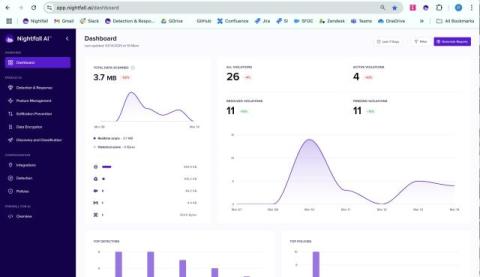
Insider Risk with Nightfall DLP: Episode 1 - Prevent Personal Cloud Store Uploads

Insider risk is a tricky challenge for security teams: how can you tell the good actors from the bad, or intentional actions from mistakes? Anyone with approved access to endpoints and SaaS systems could expose data to exfiltration risk if those systems are focused solely on preventing outsiders from getting in.

Unmanaged Endpoints: Your Security Blind Spot

It’s Monday morning and the coffee shop is full of telecommuters, sipping lattes and catching up on emails. The way organizations enable work has changed. With the rise of SaaS applications and cloud-first strategies, employees, contractors and third parties frequently access corporate assets from personal, unmanaged laptops.

Make Your Real Emails Less Phishy

I infrequently get emails from customers who are frustrated because their employer sent out some legitimate mass email to all employees that unfortunately had all the hallmarks of a malicious phishing attack. Everyone gets worked up about it and a large percentage of people report it as a possible phishing attack. And it is not. It is just frustrating. Sound familiar?

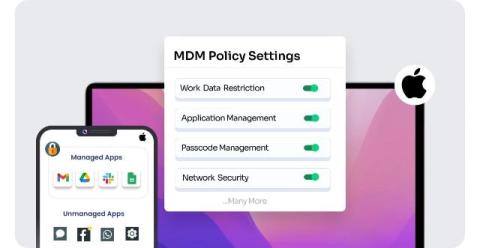
Protect Your iOS Devices: Must-Have MDM Features for Businesses

Managing corporate iOS devices can be tricky. Your employees rely on them to access company data, communicate with clients, and handle sensitive business operations. But with this convenience comes risk—unauthorized access, data leaks, and cyber threats. A Mobile Device Management (MDM) solution helps businesses protect devices, enforce security policies, and prevent unauthorized access.

Challenges for Australian Manufacturers: Insights from the 2025 Trustwave Risk Radar Report

The Trustwave SpiderLabs research 2025 Trustwave Risk Radar Report: Manufacturing Sector takes a global view of the cybersecurity issues facing this vertical, but it’s also important to examine how and if different regions are specifically impacted.

AI Risk Management: Benefits, Challenges, and Best Practices

Managing the risks of AI development tools is crucial for organizations looking to responsibly and effectively leverage this technology’s potential. AI offers transformative capabilities, particularly in coding assistance, where tools can speed up development and reduce manual workloads. However, these benefits can come with risks, such as security vulnerabilities and compliance challenges, that cannot be overlooked.

Responding and remediating: Best practices for handling security alerts

As organizations continue to evolve their DevSecOps programs by adopting comprehensive testing and monitoring, the next step is to take action on the insights uncovered. This means remediating security issues as early as possible and responding to security alerts and incidents in a timely manner. However, many security and development teams find that triaging the findings of every tool and managing remediation efforts is time-consuming and costly.

Make PostgreSQL Access Easier and More Secure with Teleport

Managing PostgreSQL access is a pain for engineering teams. Setting up users, roles, and keeping track of permissions slows down engineers. Security risks may emerge in the form of shared admin accounts or missteps in user setup or authorization workflows. Check out this screenshot from a Reddit thread discussing this problem.

Red Teaming for Generative AI: A Practical Approach to AI Security

Generative AI is changing industries by making automation, creativity, and decision-making more powerful. But it also comes with security risks. AI models can be tricked into revealing information, generating harmful content, or spreading false data. To keep AI safe and trustworthy, experts use GenAI Red Teaming. This method is a structured way to test AI systems for weaknesses before they cause harm.