Security | Threat Detection | Cyberattacks | DevSecOps | Compliance

AI data security: protecting sensitive information across AI tools

An employee uploads a spreadsheet to find a sales trend. Another pastes a support conversation into a chatbot to draft a reply. Neither intends to expose business information. Even so, both may send sensitive material outside the systems where your business normally controls it. SMB IT decision-makers need to know what employees share and decide which interactions are acceptable, without building a specialist AI security team.
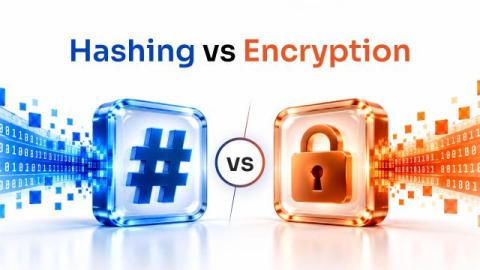
Hashing vs. Encryption: Differences, Use Cases, & Role in IAM

Your passwords, login tokens, and personal information need protection when you use an online service. Two technologies that help protect this information are hashing and encryption. Identity and Access Management (IAM) incorporates both, but they solve different security problems. Hashing helps verify passwords and detect changes to data. Encryption protects sensitive information that authorized users or systems need to retrieve. Understanding hashing vs.

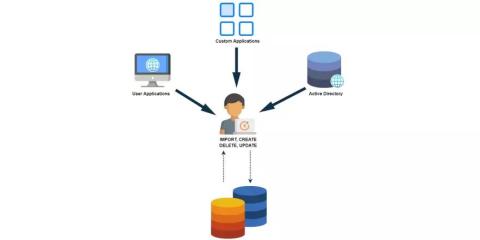
What Is Provisioning? Definition, Types, Process & Benefits

Provisioning is the process of setting up IT resources and making them available for use. It can apply to servers, networks, applications, cloud infrastructure, devices, and user access. In identity and access management (IAM), provisioning refers to creating, modifying, and managing user accounts and their access to applications, systems, and resources.

Citrix NetScaler vulnerabilities (CVE-2026-88771, CVE-2026-88772) in active exploitation

On September 27, 2026, Citrix disclosed eight vulnerabilities affecting NetScaler Application Delivery Controller (ADC) and NetScaler Gateway. Two of these vulnerabilities are critical (CVSS score of 9.5) and can allow an unauthenticated remote attacker to execute code: Citrix has observed exploitation against unmitigated NetScaler deployments, and the U.S.

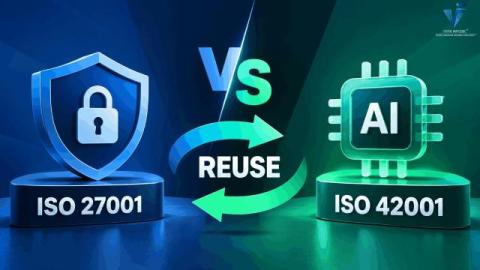
ISO 42001 vs ISO 27001: What Can You Reuse for AI Management?

If your organization already operates a mature ISO/IEC 27001 Information Security Management System (ISMS), you are not starting ISO/IEC 42001 from zero. Governance routines, document control, competence management, internal audit, management review, corrective action and parts of your risk and supplier processes may provide a useful foundation. But ISO/IEC 42001 is not an AI extension to ISO/IEC 27001.

Your Clients Already Deployed AI. Nobody Sold Them the Security for It.

Every vendor this year says the same thing: AI is transforming cybersecurity. True, and not useful. Here is the useful version. AI is doing two things at once. It is compressing the time between a vulnerability being found and being exploited, which is the part everyone talks about. And it is quietly installing a brand new attack surface inside your clients' businesses, which is the part nobody is selling against yet.

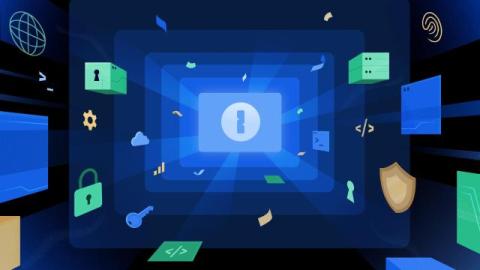
Secure agent access in development workflows with 1Password + NVIDIA OpenShell

1Password for NVIDIA OpenShell is available now as a developer preview in the 1Password nightly build. Connect a 1Password Environment to the OpenShell runtime and let your agents work with the systems it needs without exposing real credentials to the model.

Does a TLS Certificate Need a Common Name?

Technically: no. In practice: maybe. Lot’s of teams are experimenting with shorter duration certificates from Let’s Encrypt to get ready for the 47-day mandate. Those certs come with a big gotcha: no more Common Name. A modern browser is perfectly happy with a TLS certificate that has no Common Name. Your VPN or mail server might have other opinions. And since those are probably things you’d like to keep working, there’s a little more nuance to the answer.

Hunting Citrix NetScaler Zero-Days with Corelight

Citrix’s security bulletin CTX697096, the NetScaler security blog, and WatchTowr’s vulnerability FAQ describe an urgent situation for organizations using NetScaler ADC and NetScaler Gateway. Two vulnerabilities (CVE-2026-88771 and CVE-2026-88772) are known to be exploited. CISA confirms active exploitation globally and has added both to its Known Exploited Vulnerabilities catalog.

Cyber Loss When the Company Is Someone Else's Fourth Party

Third-party risk content is written from the customer's side. Assess your provider, tier your vendors, understand your concentration. ‍ A technology provider is on the other end of every one of those assessments, and its own incident propagates outward through contract rather than inward through remediation. The instinct is that the contracts therefore determine the loss. They determine the smaller half of it. ‍