Security | Threat Detection | Cyberattacks | DevSecOps | Compliance

How To Transition Your Team From DevOps To DevSecOps

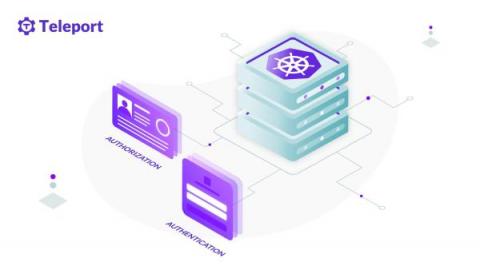
DevOps has transformed the software development industry. The merging of development (Dev) and operations (Ops) teams has largely contributed to quick and effective software releases. The continuous evolution of the application security threat landscape requires organizations to integrate security into the DevOps culture. Thus, DevSecOps has emerged to extend the capabilities of DevOps and enable enterprises to release secure software faster.

Community is the Key to Investor Funding for Open-Source Startups

Securing investors is always a challenge for startups. But for open-source companies, it’s even harder. Open-source companies need the right investors to innovate and enter new markets. But when you deal with a specific subset like open source, it can be difficult to find VCs with the required experience and knowledge. Those of us in the open-source community know it’s not just about the money — it’s also about continuing to grow the community.

Curate and Share Threat Intelligence to Accelerate Security Operations

Over the last several months we’ve seen a tremendous uptick in cyberattacks. Nearly every day, news of another ransomware, supply chain or zero-day attack makes headline news. So, what can organizations do to mitigate risk? One major step forward to improve security operations is to effectively share curated threat intelligence.

Snyk Code adds Go security scanning (beta)

Snyk Code was launched at the beginning of 2021, and since then it has come a long way in a short time. As a developer-first security tool, it offers an intuitive UI and CLI, embeds in popular IDEs, provides actionable fix recommendations, and scans with industry-leading, real-time speeds and high accuracy. On top of that, it’s all backed by ML-driven algorithms that learn from the global developer community, growing its robust knowledge base exponentially.

A Handshake with MySQL Bots

It’s well known that we just don’t put services or devices on the edge of the Internet without strong purpose justification. Services, whether maintained by end-users or administrators, have a ton of security challenges. Databases belong to a group that often needs direct access to the Internet - no doubt that security requirements are a priority here.

Analysis of 80 million ransomware samples reveals a world under attack

Google has released a report taking a close look at the more than 80 million ransomware samples uploaded to its VirusTotal service in the last year and a half. Each day, approximately 150,000 ransomware samples were analysed by the free VirusTotal service after being submitted by suspicious computer users, and shared with the security community to enhance their threat intelligence and improve anti-virus products.

Windows 11: Registry Keys, SMB Protocol, and SystemInfo

Windows 11 was released on October 5, 2021. It has several new installation requirements including, most notably, Secure Boot and a Trusted Platform Module. These features can provide a more secure computing environment, but if you need to virtualize a Windows 11 environment, you will need virtualization software that supports this.

[Infographics] Cybercrime In Numbers: How To Protect Your Organization

Cybersecurity attacks are increasing at an alarming rate every day. According to the Statista Cybercrime Incidents Report, over 29,000 cases were recorded in 2020 and the target nowadays are small firms as well as large businesses although in the past hackers were not interested by “small fish”.

Customer Interview: Stefan Waldvogel

LimaCharlie is lucky to have some really amazing people on the platform. During the course of operating our business we often get to interact with our customers and sometimes those customers become friends: Stefan Waldvogel is one of these people. Stefan has had a very interesting journey on his way to becoming a cybersecurity professional and we asked him to share his story.

4 Reasons Why Cybersecurity is Important in Banking

Organized cybercriminals are leaving traditional bank robbers in the dust. Nowadays, the banking sector’s most significant security concerns come in the form of online threats. Banks and other financial institutions process millions of transactions daily, with the majority of the transactions done via digital payment transfer platforms. For that reason, banks have become enticing targets for cybercriminals.