Security | Threat Detection | Cyberattacks | DevSecOps | Compliance

Why WMS Is Now the Heart of a Smart Warehouse: The Tech Advantage in Logistics

Imagine running a warehouse where every order lands on time, inventory updates in real time, and picking errors are nearly extinct. Sounds futuristic? Not anymore. In today's high-speed logistics landscape, Warehouse Management Systems (WMS) have become more than just software-they're the nerve center of efficient, tech-driven operations. And if your warehouse isn't running on WMS yet, you're already behind.

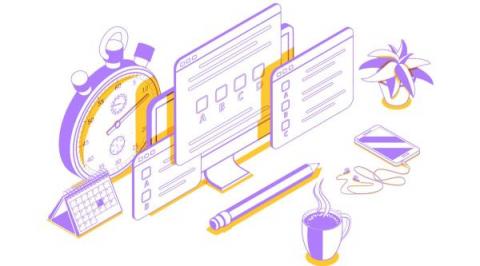
The Secrets of Test Coverage in Software Development

Test coverage is a fundamental aspect of creating reliable and high-performing software. When applied effectively, it provides a clear measurement of what parts of your codebase are being tested, identifying gaps that could allow subtle bugs to creep into production. Whether you're constructing a small application or managing a complex digital ecosystem, test coverage ensures that software performs as intended and gains users' trust.

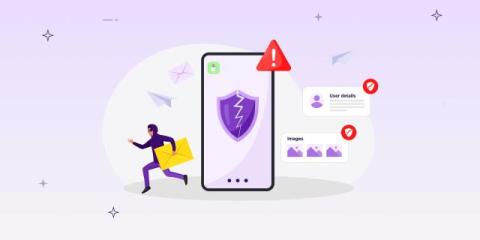
Email Penetration Testing: Defence Against Phishing Attacks

Email continues to be the main attack vector for cybercriminals, a fact driven not only by it being the most widely used communication tool in business, but also by the evolving sophistication of cyber threats. Despite advancements in cybersecurity, attackers continue to exploit human vulnerabilities to bypass technical defences.

Unsolved Challenge: Why API Access Control Vulnerabilities Remain a Major Security Risk

Despite advancements in API security, access control vulnerabilities, such as broken object-level authentication (BOLA) and broken function-level authentication (BFLA), remain almost impossible to detect. This blog will explore why these vulnerabilities are so difficult to detect, the limitations of current security tools, and the implications for businesses relying on API-driven applications. It will also discuss potential approaches for improving API security posture.

Federal Desktop Core Configuration (FDCC/USGCB) Compliance

Federal Desktop Core Configuration (FDCC) was mandated by the US Office of Management and Budget (OMB) in 2007 and provides a set of security standards that must be adhered to by all federal workstations and laptops running Windows XP or Vista. FDCC evolved into the United States Government Configuration Baseline (USGCB) starting in 2010, although some agencies and contracts may still be under lingering FDCC compliance obligations.

CVE-2017-12637: Exploitation of SAP NetWeaver Directory Traversal Vulnerability

On March 19, 2025, the CISA issued a warning about the active exploitation of CVE-2017-12637, a directory traversal vulnerability in SAP NetWeaver AS Java. This vulnerability, originally patched in 2017, has resurfaced due to incomplete mitigations, leading to increased risks for organizations using outdated or misconfigured SAP environments.

Malware hiding in plain sight: Spying on North Korean Hackers

On March 13th 2025, our malware analysis engine alerted us to a potential malicious package that was added to NPM. First indications suggested this would be a clear-cut case, however, when we started peeling back the layers things weren’t quite as they seemed. Here is a story about how sophisticated nation state actors can hide malware within packages.

Enhancing Application Security with Container Runtime Security

Containerization, a form of lightweight virtualization, lets applications inhabit their own self-contained environments. Each container packages everything an application needs to run – code, runtime, libraries – keeping it neatly separated from everything else. This isolation is a big deal because it means a problem in one container won’t bring down the whole environment.

How to Use Microsoft Copilot for Security: Complete eGuide to Generative AI for Cybersecurity

In the constantly evolving world of cybersecurity, defense teams need all the resources they can get to keep up. Fortunately, the massive advances in generative AI present SOC teams with a powerful set of tools to optimize security practices and match even fully automated adversaries using natural language input. Microsoft Security Copilot is among the most advanced examples of these tools.