Security | Threat Detection | Cyberattacks | DevSecOps | Compliance

2025 Trustwave Risk Radar Report: Top Cyber Threats Targeting the Manufacturing Sector

As the manufacturing industry modernizes and expands its digital connectivity, it has become increasingly vulnerable to sophisticated cyberattacks targeting its evolving cyber defenses. In the newly released 2025 Trustwave Risk Radar Report: Manufacturing Sector, Trustwave SpiderLabs outlines the key cybersecurity challenges facing manufacturers and provides a comprehensive list of mitigation strategies to help organizations strengthen their defenses.

Trusted Computing: The Role of Infrastructure IAM

The role of trust for both employees and customers has come under increased scrutiny in the past decade. The rise of concepts such as zero trust for the workforce and the privacy/personalisation paradox for customers has moved trust from being an exercise in academic rigour, to one which has realigned enterprise security architecture choices.

The Risks of Inadequate User Access Control in Critical Infrastructure

The ability to control and monitor who has access to critical systems is a fundamental pillar of cybersecurity. However, many organizations today struggle with fragmented identity management, leaving their operational technology (OT), industrial control systems (ICS), and/or cyber physical systems (CPS) environments vulnerable to security breaches, compliance violations, unnecessary business risks, and operational inefficiencies.

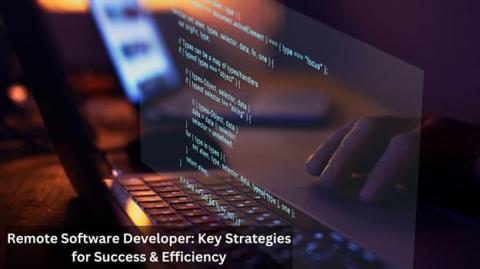
Remote Software Developer: Key Strategies for Success & Efficiency

What if you could build cutting-edge software, collaborate with global teams, and enjoy a flexible work-life balance all from the comfort of your home? The rise of remote software engineering jobs has made this a reality, transforming how developers work and opening doors to endless opportunities. But thriving in a remote role requires more than technical skills. To stay competitive, developers must master time management, communication, and productivity. This blog explores key strategies to help you excel in remote software jobs.

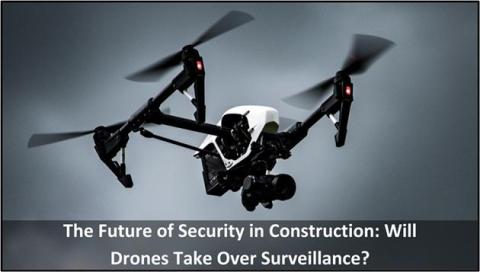
The Future of Security in Construction: Will Drones Take Over Surveillance?

Construction sites are busy, high-stakes environments where safety, security, and efficiency are always top priorities. However, maintaining round-the-clock surveillance across vast areas and multiple levels can be a daunting challenge for security teams. Traditional methods often fall short, leaving gaps in coverage and exposing sites to risk. This is where drones step in, offering a cutting-edge solution that promises not only to improve security but also to streamline operations.

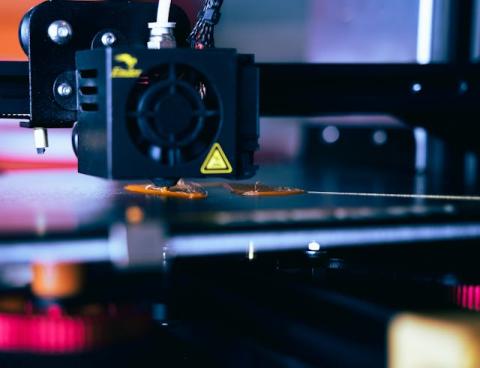
Strengthening Industrial Security with Advanced 3D Printing Technologies

3D printing has become an essential tool in modern manufacturing, providing businesses with new ways to produce secure, high-quality components while reducing reliance on complex supply chains. However, as additive manufacturing gains widespread adoption, security concerns related to intellectual property, supply chain integrity, and cyber threats are becoming more significant.

How Monitoring Calls Live Can Transform Your Customer Service

Your agents are juggling a wave of customer inquiries, each one demanding their full attention. Despite their efforts, some interactions don't hit the mark. Customers grow frustrated, and the pressure on your team builds. How can you guarantee every call upholds your service standards, even when your team is stretched thin?

Scattered Spider: Weaving an ever expanding web of cybercrimes

Imagine you are the owner of a bustling casino casually observing the vibrant scene: The clatter of slot machines, wagers are being placed, the cheerful chatter of gamblers, and waiters are serving cocktails. Everything appears normal until, without warning, the machines fall silent. However, it doesn’t stop there. Elevators grind to a halt, parking gates freeze shut, and guests find themselves locked out of their rooms as digital door keys fail to function.

How to Identify and Protect Personal Information

Personal information also referred to as personally identifiable information (PII) and Protected Personal Information (PPI), has a good and bad side for companies. All businesses record the personal information of their clients (names, debit/credit cards, address, etc.) to identify them and execute certain business operations. These business operations may range from meeting payrolls, to filling orders, and advertising. This makes the user and business operations run much faster and smoother.