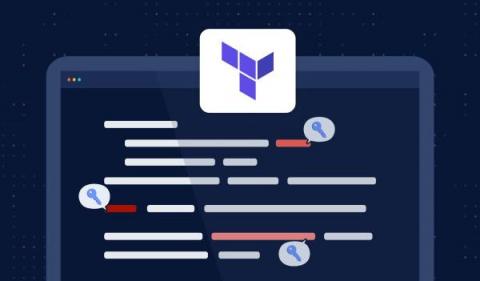
With the rise of OpenAI’s GPT-3, ChatGPT and Codex products, as well as GitHub’s CoPilot and numerous competitors, today we’re seeing developers experimenting with AI to help augment their development workflows. While at first these efforts focused on more commonly used programming languages, such as Javascript and Python, the AI use cases are now expanding to Infrastructure-as-Code (IaC) configurations.
Mid-winter is fast approaching, meaning it’s nearly time to start thinking about spring again! But here at Catalogic all we’ve been thinking about lately is adding more features to CloudCasa. We were thrilled to hear that CloudCasa has been named a Kubernetes data protection leader and outperformer in the recently released GigaOm Radar for Kubernetes Data Protection Report, but we have no intention of resting on our laurels!
Application security is particularly important in the banking and financial technology sector, where a single breach can put large portions of sensitive information at risk. How to manage that risk is a complex process that affects how teams secure applications across their software supply chain.
For today’s DevSecOps teams, the demands continue to intensify. Application portfolios and codebases continue to grow, while cyberattacks remain an ever-present danger. More than ever, it’s vital to ensure security gaps are identified and addressed with maximum speed and efficiency. In order to do this, you need to establish a continuous feedback loop on security threats, so you can realize optimized, sustained results – which is exactly how Veracode helps.
According to Forrester Research, applications are the top cause of external breaches because cybercriminals consider them to be one of the easiest entry points to attack organizations’ code bases. As supply chain attacks increase, it has become increasingly important for organizations to implement and maintain a continuous application security program and make it a priority.