Security | Threat Detection | Cyberattacks | DevSecOps | Compliance


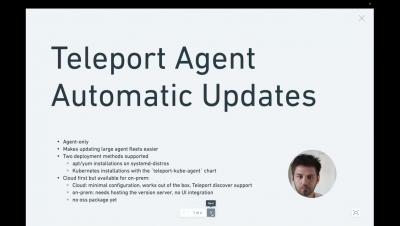
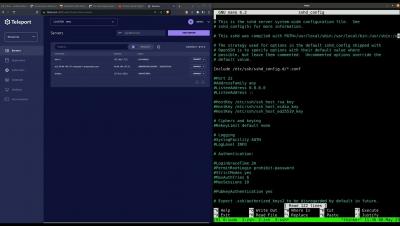
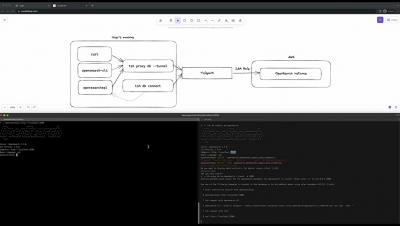

How to avoid Kubernetes misconfigurations
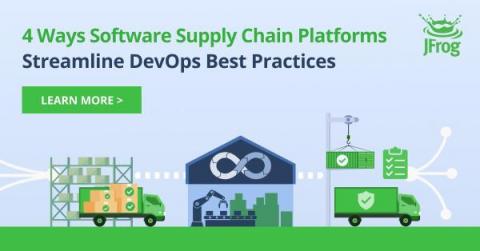
How a software supply chain platform streamlines DevOps best practices
Today’s software developers are tasked with a lot more than just coding. To keep up with the fast-paced software-driven economy, they need to focus on automation, collaboration, security, distribution, data analysis, and agility to ensure quality builds and get releases to customers quickly and securely. DevOps and security professionals need a centralized system of records that provides visibility across the business.
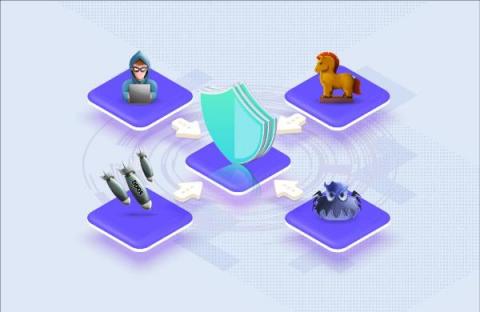
What are Malicious Packages? How Do They Work?
Software developers build approximately 80% of software applications using open-source code, which opens up a world of opportunity for today’s threat actors. Code package repositories such as npm and RubyGems allow anyone to store or publish packages, and unfortunately that can include packages containing malware. These are known as malicious packages — the malware of the software supply chain. As the name implies, a malicious package is software that is created with malicious intent.
The Role of WAAP Platforms in the CI/CD Pipeline
What are honey pots? Hacker explains why honey pots are so effective at catching security breaches
ChatGPT Data Breach Break Down
Comparing Restic vs Kopia for Kubernetes Data Movement
When we began developing CloudCasa, a Software as a Service (SaaS) platform, for protecting Kubernetes applications, we looked at the data protection landscape and focused on areas that we could improve upon and give back to the user community. We wanted to provide them with a quick and efficient way in which they could start protecting this infrastructure with minimal effort, overhead, and most importantly minimal cost.