Static secrets like API keys, tokens, and passwords have become a major security liability in modern cloud environments. These credentials introduce significant security risks, are difficult to manage at scale, and create compliance headaches. The future of cloud security lies in dynamic, cryptographic machine and workload identities, eliminating static secrets and enforcing zero-trust authentication across your infrastructure.
Agencies are tasked with protecting their networks from cyberattacks, but there is no longer a perimeter that makes it easier to defend. Instead agencies need to rethink how they secure every device connecting to an agency network. Considering the number of connected devices — hundreds of thousands — it's best to ensure sound security. Specifically, you’ll learn.
Your agency’s website is more than just a landing page—it’s where constituents find information, apply for services, and engage with their government. It’s your digital front door. But security doesn’t stop at the homepage. Behind every online form, data portal, and public-facing interface, there’s a complex infrastructure that needs just as much protection.
What is Cloudflare Cache Analytics, and how can it help you speed up your website, reduce server costs, and improve SEO? Cache Analytics allows you to power your website’s speed and performance by.
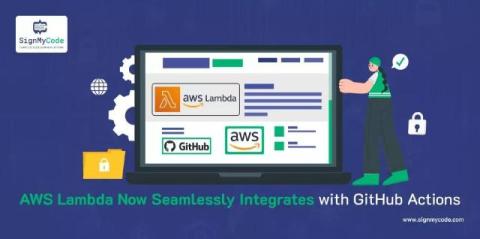
When Amazon Web Services (AWS) initially launched in 2006, it offered the first compute, storage, and database cloud service that developers could build on. Over time, AWS became a fundamental cloud service provider as organizations started migrating to the cloud. As one of the three primary cloud services providers, AWS remains integral to most businesses.
In this blog post we'll walk you through the essential steps of getting started with LimaCharlie's SecOps Cloud Platform. This guide is designed for technical security professionals who want to leverage LimaCharlie's capabilities to enhance their organization's security posture. By the end of this guide you will have configured your organization in LimaCharlie, deployed sensors, and enabled detection and response rules.
In this blog, we’ll show you how to simplify Azure AD Multi-Tenant authentication using the miniOrange OAuth SSO plugin. You’ll learn how to get secure, seamless Azure AD SSO working for multiple organizations—fast and hassle-free.
It's easy to assume everything in the cloud is sorted. Files get saved, apps sync across devices, permissions exist. And on paper, that sounds tidy enough. But in practice? Data goes wandering. A spreadsheet ends up in the wrong folder. A document shared with the wrong person stays shared. A test environment is spun up, used once, then forgotten. Nobody deletes it, of course. Nobody remembers it, either.