Mailchimp
Not subscribed to OpsMatters Newsletter


Updated 12/20/21 On December 9, 2021, Apache published a zero-day vulnerability (CVE-2021-44228) for Apache Log4j being referred to as “Log4Shell”. This “critical” vulnerability (CVSS score: 10) allows a remote attacker to take control of an affected system. When exploited, this vulnerability allows an attacker to run arbitrary code on the device, giving full control over to the attacker.
Tripwire recently conducted a series of surveys and interviews to understand IT professionals who manage security for their company. The cybersecurity landscape is constantly changing, new challenges are rapidly emerging, and new threats have surfaced, especially throughout the pandemic. We were curious to know some of the struggles that security professionals experience as a part of their job.
Phishing attempts over text messages are becoming more prevalent. I received an SMS text message that contained a phishing attempt for a Canadian Bank. The message implied that I have received a new notification with this bank and I should visit the provided link. I usually do not click on any links, but I decided to see what would happen when I navigated to the page.
On Dec 9th, a critical zero-day vulnerability - CVE-2021-44228 - was announced concerning the Java logging framework - Log4j All current versions of log4j2 up to 2.14.1 are vulnerable. To remediate this vulnerability, please update to version 2.15.0 or later.
Audit logging involves recording transactions and system events, making it an invaluable tool for regulatory compliance, digital forensics, and information security. In a typical Kubernetes ecosystem, auditing involves providing chronological, activity-relevant records documenting events and actions in a cluster. Modern logging tools come with aggregation and analytical functionalities so that teams can use log data to mitigate security threats.
A critical vulnerability in the popular log4j library is currently being actively targeted on a broad global scale and possibly exploited based on advisories from multiple CERTs and vendors: CISA, Apache, etc. This Java library is integrated into many IT and DevOps tooling and workflows. On Dec 10, 2021, Apache released version 2.15.0, fixing CVE-2021-44228 (dubbed Log4Shell) an RCE with a maximum CVSSv3 score of 10.
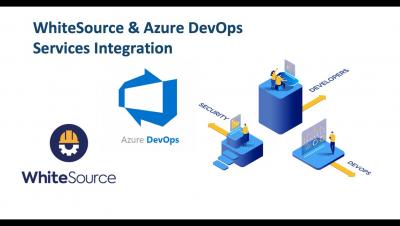
When DevOps emerged more than ten years ago, the main focus was to bridge the gaps between dev and ops teams. This was achieved by introducing automation to the processes of designing, building, testing, and deploying applications. But as development teams continue to deliver faster and more frequently, security teams find it difficult to keep up. Often, they become the bottleneck in the delivery pipeline.
If you feel like you can’t go a week without hearing about yet another data breach on the news, you’re not experiencing déjà vu. Data breaches are on the rise, and massive organizations like Solar Winds and Facebook aren’t the only ones vulnerable to attack.