Mailchimp
Not subscribed to OpsMatters Newsletter


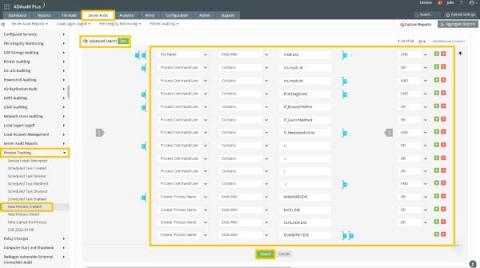
The recently discovered Windows zero-day vulnerability continues to make news as threat actors across the globe are relentless in their efforts to exploit it. The vulnerability, dubbed Follina, can be exploited when the Microsoft Support Diagnostic Tool (MSDT) is called by a Microsoft Office application using the URL protocol.
In the previous article, we covered the release process and how to secure the parts and components of the process. The deploy and operate processes are where developers, IT, and security meet in a coordinated handoff for sending an application into production.
SecurityScorecard joined U.S. cybersecurity leaders and the cybersecurity community at the 2022 RSA Conference in San Francisco, California from June 5-9. The RSA Conference is one of the world’s leading cybersecurity events, and SecurityScorecard was proud to join our community in-person at San Francisco’s Moscone Center.
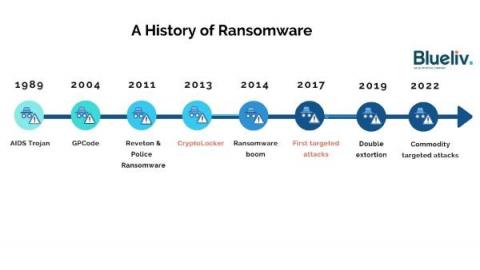
Ransomware is the biggest cyber threat to businesses. First burst onto the scene in 1989, it has evolved significantly over the past few years from widespread attacks to highly targeted ransomware-as-a-service (RaaS) operations affecting organizations of all sizes and sectors. This article takes a look at the evolution of the ransomware ecosystem – what it looks like today, and how it has changed over time.
Phishing is a constant threat to data and endpoint security. Cybercriminals use phishing attacks to break into accounts, steal company funds, and compromise sensitive data. In this article I will introduce you to the dangers of phishing and guide you through the process of running your very own phishing simulation using BrowseReporter, CurrentWare’s employee computer monitoring software. Table of Contents.
Digital transformation has ushered in interconnected networks that enable information sharing and collaboration. That’s great for efficiency and productivity, but many networks are flat, leaving organizations susceptible to cyberthreats that can move laterally, even across distributed environments, enabling hackers to exploit openings and pivot into their most valuable data.