Mailchimp
Not subscribed to OpsMatters Newsletter


Sophos Labs recently released its annual global study, State of Ransomware 2022, which covers real-world ransomware experiences in 2021, their financial and operational impact on organizations, as well as the role of cyber insurance in cyber defense. The report, which surveyed 5,600 IT professionals in mid-sized organizations across 31 countries, shows that ransomware attacks are increasing and becoming more sophisticated.
The threat landscape means the entire scope of potential and recognized cybersecurity threats affecting user groups, organizations, specific industries, or a particular time. As new cyber threats emerge daily, the threat landscape changes accordingly.
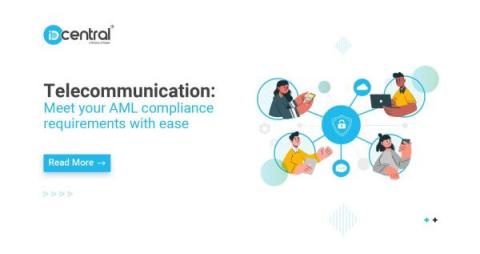
Globally, the telecom service providers are under massive pressure to add new revenue streams because of the commoditization of voice and data services and dropping margins. In this regard, several service providers have started offering financial services to leverage their distributor network and existing relationship with the subscribers.
Security transformation is upon us, and the global pandemic further accelerated macro-trends such as work-from-anywhere that were already well underway. But with so many ideas now competing for airtime when it comes to describing that transformation and how to do it successfully, security professionals could be forgiven for thinking that the right moves and the good advice are getting buried under an avalanche of marketing, buzzwords, and acronyms.
A selection of this week’s more interesting vulnerability disclosures and cyber security news. For a daily selection see our twitter feed at #ionCube24. This is a new one…. Selling a decryptor ‘in world’. The most disturbing part is that the world in question is aimed at kids. Softer target to coax a ransom from out of embarrassment?
Ever wondered how large-scale power plants monitor or control the myriad of systems that fill their environment? Have you thought about how some of the world’s greatest industrial hacks were enacted? This post will look to illuminate how one tiny legacy protocol, namely "ModBus" could help to understand just how straight forward this could be.
Two decades ago, the web was a casual escape dominated by message boards, AOL Instant Messenger, and Homestar Runner. Only some people used it for work. Fast forward 20 years, and countless jobs require that you use the internet in some way. This has made it easier than ever to take a quick break, open a new tab, and do some personal surfing – blurring the line between work and leisure.
Please introduce yourself and tell us what you do, and what your company does. I’m Kimber Dowsett and I’m a Director at Krebs Stamos Group(KSG). We conduct cybersecurity consultancy engagements for high-profile organizations that may or may not have experienced a high-profile breach or acquisition, or simply want a world-class assessment of their org’s overall security posture.
At the beginning of every startup’s journey, the question plaguing every technical founder and their team is how to build their tech stack. A lot of thought must go into this question because it informs how the startup will adapt to the demands of business growth and any necessary adjustments or pivots of the business. In a recent webinar, we discussed this question in detail with Jim Walker of Cockroach Labs.