Mailchimp
Not subscribed to OpsMatters Newsletter


Zero trust network access (ZTNA) has become a hot topic and a popular IT project. Here are some of the reasons why: First, organizations are beginning to pursue a zero trust strategy and ZTNA is the first logical step towards a zero trust security program. Second, remote or hybrid work is here to stay. And as a result, now is the time to replace your legacy remote access VPN with a modern anywhere secure access solution for the long term.
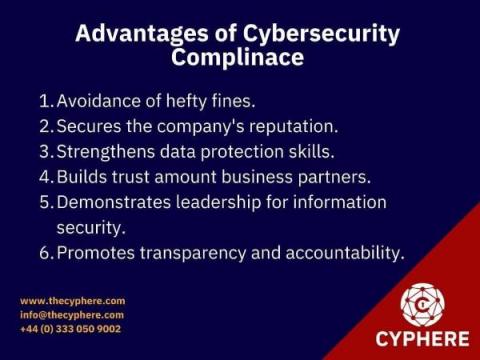
The number and severity of cyber-attacks are increasing with time. For that, the international industry standards and government authorities aim to regulate cybersecurity by enforcing more strict cybersecurity compliance criteria.
The typical life of a consultant working in the field of governance, risk and compliance is often not deeply technical, but we have to be aware of new technology and the risks it poses; this is very true when it comes to Cloud, and with the massive adoption of Cloud as the vast majority of organizations now use cloud services on some level.
I am very pleased and proud to share the big news that Devo is now an AWS Security Competency Partner. This is a significant milestone for Devo and it’s important for our current and future customers and partners. This designation validates that Devo has successfully met AWS’s technical and quality requirements for providing customers with a deep level of expertise in threat detection and response.
Higher education institutions have long been subjected to ransomware and other cyber attacks, which has had a huge impact on their operations. In 2020 alone, ransomware attacks affected nearly 1,700 U.S. schools, colleges and universities – which is an increase of 100% over the previous year. The average cost of these attacks were $2.73 million in downtime, repairs and lost opportunities.
A possible method of attacking your code base is a bit of social engineering that involves using open source to report potential bugs in software that provides reproduction applications. These applications can include malicious code that can compromise your software and applications. In the blog post, we’ll briefly look at why and how they operate, and how to mitigate this practice.
As described in Splunk Vulnerability Disclosure SVD-2022-0624, there is a list of SPL (Search Processing Language) commands that are classified as risky. This is because incorrect use of these risky commands may lead to a security breach or data loss. As a precautionary measure, the Splunk Search app pops up a dialog, alerting users before executing these commands whenever these commands are called.
I walked into a business the other day. After a long conversation about the client’s need for cybersecurity and the implementation of the ISO27001 security standard, we talked about their risk appetite. “We don’t accept any risk. We’re risk-averse” said the CEO. But, is this achievable?