Mailchimp
Not subscribed to OpsMatters Newsletter


According to the AV-TEST Institute, more than 1 billion strains of malware have been created, and more than 500,00 new pieces of malware are detected every day. One of the main reasons for this rapid growth is that malware creators frequently reuse source code. They modify existing malware to meet the specific objectives of an attack campaign or to avoid signature-based detection.
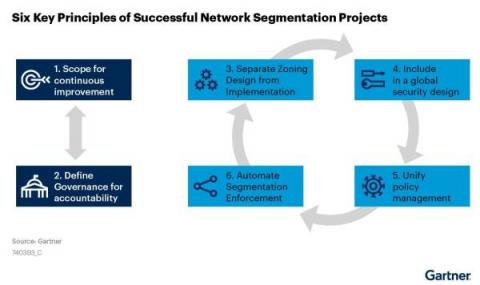
Recently, Gartner® refreshed one of its foundational cybersecurity research, “The 6 Principles of Successful Network Segmentation Strategies.”1 The principles covered in the research are tried and true. Segmenting networks to improve security and performance is nothing new to security teams, yet the same challenges persist year after year.
During discussions with clients about their approach to managing IT services, many organizations refer to the Information Technology Infrastructure Library (ITIL) practices as a key component of their approach. This is not surprising, as the ITIL framework provides a practical methodology for IT management, enabling the use of technology to align with business needs.
A new report from ENISA, the European Union Agency for Cybersecurity, looking at cyberattacks targeting the European transport network over a period of almost two years, has identified that ransomware has become the prominent threat. ENISA's report, its first ever analysis of the myriad of cybersecurity threats facing the transport sector in the EU, mapped and studied cyber incidents targeting aviation, maritime, railway, and road transport between January 2021 and October 2022.
More prudent use of endpoint management tools could hold the key.
Everybody’s doing it: shifting applications to the cloud. More flexibility. More storage. More scalability. But how does this affect application security? What challenges does it present?
AT&T Alien Labs researchers have discovered a new variant of BlackGuard stealer in the wild, infecting using spear phishing attacks. The malware evolved since its previous variant and now arrives with new capabilities.
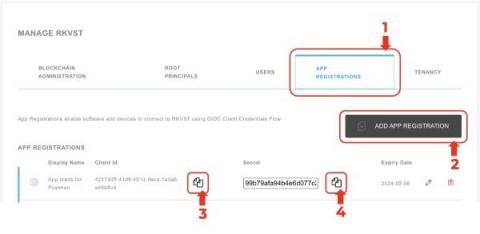
We’re very pleased with our Python SDK, Jupyter Notebooks, and our OpenAPI Developer Console but sometimes we all want a bit more fine control or command chaining than those can offer. One of my favourite tools for such situations is, of course, Postman. It can make interacting with RKVST super quick and easy, and help you develop custom workflows for storing and validating your digital evidence ledgers.