Security | Threat Detection | Cyberattacks | DevSecOps | Compliance

Latest posts

Fireblocks unlocks liquid ETH staking for 2,000+ institutions via Liquid Collective

As Ethereum ETFs gain traction, Fireblocks offers clients direct access to LsETH—combining ETH staking rewards with liquidity and compliance. Fireblocks has joined Liquid Collective as a Platform, adding support for Liquid Collective’s Liquid Staked ETH (LsETH). This integration enables institutions to stake ETH and access Ethereum network rewards while preserving liquidity and capital efficiency.

What Payment Page Scenarios Trigger PCI DSS 4.0 Requirements - and How Can CISOs Stay Compliant?

Because PCI DSS 4.0 shifts focus to client-side risk, payment pages — especially those using JavaScript, third-party scripts, or marketing tags — are under increased scrutiny. Even if your backend is secure, what happens in the browser can expose cardholder data or create audit failure risk.

The Security Posture Improvement Tactic You Need to Know

What’s the one security tactic your team isn’t using – but should be? If your risk register keeps growing, your analysts are stretched thin, and your attack surface feels like it’s multiplying daily, you’re not alone. The challenge isn’t knowing that your security posture needs improvement — it’s knowing how to do it efficiently, consistently, and without burning out your team.

What You Need to Know about the Ocuco Data Breach

Ocuco is a Dublin-based organization that specializes in optical software solutions. Established in 1993 by Leo Mac Canna, the company initially developed software for independent optometrists. The organization has since expanded through various strategic acquisitions, including the 2008 Innovations acquisition. This American lab management system set Ocuco as a significant player in the optical lab software field. The company has a large market base covering 7500 locations in 77 nations.

Post-quantum cryptography (PQC): how to build resilience while padlocks still work

This blog is the second part of a two-part series on post-quantum cryptography (PQC). In Part 1, we explored how the Harvest Now, Decrypt Later (HNDL) strategy has moved from crypto-conspiracy theory to a real threat model. This follow-up dives into how forward-thinking enterprises are already operationalizing PQC in their day-to-day security efforts—and how your team can take practical steps to do the same before quantum risk becomes quantum reality.

Play Ransomware Is Back: FBI Warning for Growing Enterprise Risk

In June 2025, the FBI, CISA, and the Australian Cyber Security Centre (ACSC) issued a joint cybersecurity advisory warning of a significant resurgence in Play ransomware attacks. This rare alert flagged over 900 confirmed victims across the public sector, healthcare, and SMBs – many of whom were targeted through deceptive email addresses like @web.de and @gmx.de.

How to Enhance the Workflow: Tips for Using Jira with Azure DevOps

Consider a typical scenario. Your development department scales along with the company. Your needs grow, so teams plan to adopt specialized tools for different purposes. The decision is to use Jira for product and issue tracking. Elements like version control, pipelines, and deployments will be managed in Azure DevOps (ADO). Each platform excels in its domain, but running them in isolation is a different story.

What to do if the 16 billion password data leak impacted you

Around 16 billion login credentials have been leaked online, potentially affecting services like Apple, Google, Facebook, and more. Learn how to check if you’re impacted and discover practical steps to secure your accounts with tools like 1Password. Sixteen billion leaked login credentials. That’s the number of records security experts at Cybernews recently identified, making this one of the most significant credential leaks ever discovered.

How AI Can Reduce Alert Fatigue in Your SOC

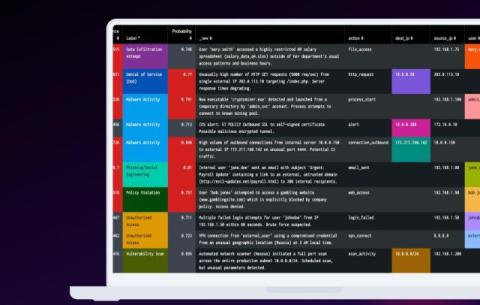
Alert fatigue is a common phenomenon in Security Operations Centers (SOCs). It’s the digital equivalent of crying wolf. As SOCs are flooded with a relentless stream of alerts—many of which are low priority or false positives—it becomes increasingly difficult to identify truly critical security threats. Analysts are stuck spending countless hours verifying, contextualizing, analyzing, and acting on information, often at the cost of missing out on critical alerts.

OWASP MASTG Best Practices Checklist for Mobile App Security

Mobile applications are at the heart of today’s digital experience, but with their convenience comes a growing landscape of security threats. For developers and security teams, simply building a functional app is no longer enough—protecting user data and business assets must be woven into every stage of the mobile app lifecycle. That’s where the OWASP Mobile Application Security Testing Guide (MASTG) steps in.