Enable Collaboration and Data Security
Collaboration helps improve innovation and speed of delivery. Based on SSE, Lookout security platform allows organizations to securely enable user collaboration without putting sensitive data at risk.


Digital transformation has driven the rapid adoption of cloud-delivered services like SaaS/IaaS/PaaS in enterprises. This, in turn, has resulted in the migration of digital assets (aka data) from the confines of enterprise data centers to the cloud data centers that are not under the control of the enterprises. Additionally, the onset of the COVID-19 pandemic has resulted in remote work becoming the norm.
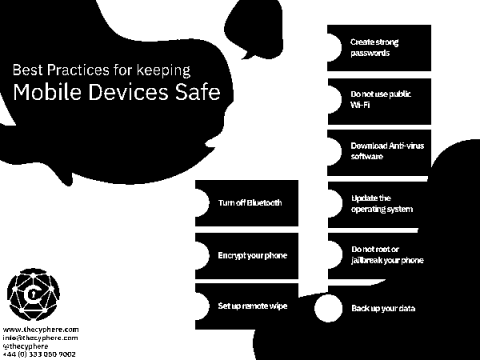
There’s no doubt that mobile devices have become an integral part of our lives. We use them to stay connected with friends and family, get directions, check the news, and more. They’re always with us, convenient, versatile (texts, messages, calls, Internet, etc), keep us connected and loads another top reasons….in short, making our life easier! This is where mobile device security comes in, which helps protect your device from potential threats.
Passwords seem seriously inadequate for security in our lives. It seems they are always getting compromised or hacked through security flaws in apps, and they never seem strong enough. Most of us will be familiar with the headaches of finding the perfect 8-character-long password, only to be told that you’ve used that one before. Even though we know we should use a different password for every secure video conference or site we create accounts for, it’s hard to remember more than one!
AT&T Cybersecurity is pleased to announce a code-free way for our USM Anywhere customers to make their own API-driven log collectors and custom parsers. This big advancement in threat detection and response technology will make it possible for customers to collect information from a much larger variety of sources and SaaS services without having to request new integrations or log parsers.
The introduction of mobile devices has rapidly changed the world as we know it, as these small gadgets that are intended to fit into the palm of our hands rapidly gained dominance over our day-to-day activities. Thanks to these portable devices, we now have access to an abundance of information available to us on demand with minimal effort.
Open source libraries and frameworks are a great way to jump-start development projects. Open source empowers developers to do some great things without reinventing the wheel and developing solutions for problems that have already been solved. However, adding any code to a project carries an inherent risk of introducing potential vulnerabilities that may have made their way into it through error or malice.