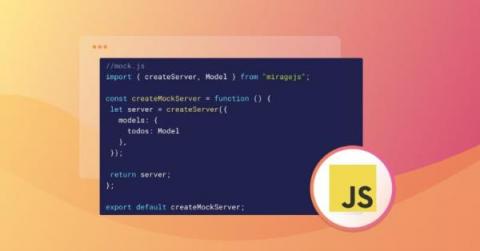
Developing and testing a frontend feature can be difficult, especially when the backend it depends on is not ready. This dependency on a backend API often slows down the development process. In scenarios like this, developing a mock API can save you a lot of time by allowing you to develop your feature independent of the backend, and make it easier to test and identify scenarios where your API might fail before it is ready.
The JFrog Security Research team released the findings of a recent investigation wherein they uncovered thousands of publicly exposed, active API tokens. This was accomplished while the team tested the new Secrets Detection feature in the company’s JFrog Advanced Security solution, part of JFrog Xray.
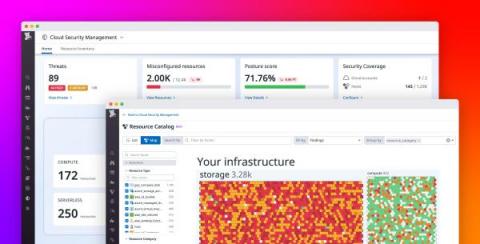
Organizations are rapidly migrating their infrastructure to the cloud, enabling them to modernize their applications and deliver more value to their customers. But this transition creates significant security risks that they may be unable to keep pace with. For example, cyber attacks on cloud resources are becoming more sophisticated and prevalent. Additionally, organizations often rely on legacy, disjointed security tools that don’t integrate well with cloud-native infrastructure.
In this episode of TFiR Let’s Talk, Swapnil Bhartiya sits down with Sathya Sankaran, COO of Catalogic and GM of CloudCasa, to discuss in-depth how CloudCasa is supporting backup for the three major cloud providers − Azure Kubernetes Service (AKS), Amazon Elastic Kubernetes Service (EKS), and Google Kubernetes Engine (GKE) − and the data protection challenges they are addressing.
The impact of ransomware attacks on healthcare is as alarming as it is under-addressed. The United States healthcare system alone faces an annual burden of nearly $21 billion due to these attacks. It pays well over $100 million in ransoms, and is beginning to acknowledge the tragic realities of impacted patient care, including higher patient mortality rates. For every headline related to cyberattacks, there are likely hundreds more that go unreported.
If you’re responsible for security, then you know how useful it is to have clearly-defined security policies that are simple to implement, scale, and verify. Product and AppSec teams know that great security policies empower teams to work autonomously so that work moves forward as it should. However, validating that your security policies are actually implemented is difficult.
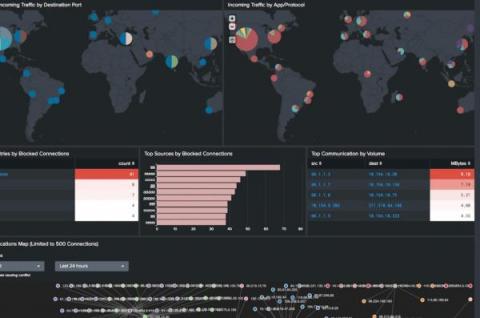
There's so much that can be accomplished with Splunk’s security tools. Today, we are going to focus on all the benefits of the InfoSec App for Splunk. The InfoSec app — which is an entitlement to Splunk customers — is powered by the Splunk platform, and relies on accelerated data models and the Common Information Model (CIM) to provide a consistent and normalized view into the event data that you’ll bring into Splunk.
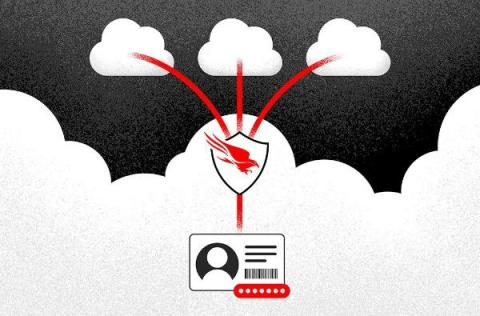
As organizations continue to shift to multi-cloud environments and increasingly use cloud services for application development, new challenges emerge that require dramatic changes in the delivery and practice of cybersecurity.