An application programming interface (API) enables communication and data exchange between two separate software systems. The application (or service) layer sits between the presentation and database layers and lays out the rules of how users can interact with services, data or functions of the application. API testing is a software testing practice that tests the functionality, reliability, performance and security of an API.
Our latest State of Software Security: Open Source Edition report just dropped, and developers will want to take note of the findings. After studying 13 million scans of over 86,000 repositories, the report sheds light on the state of security around open source libraries – and what you can do to improve it. The key takeaway? Open source libraries are a part of pretty much all software today, enabling developers to work faster and smarter, but they’re not static.
Over the last year and a half, we all went through the monumental disruption of having just about everyone work from remote locations. We strained VPN infrastructure and out of necessity split tunnels became the norm, not the exception. Even if it meant the users were a bit more exposed, you really had no choice, as Zoom/Webex/Teams meetings can eat up bandwidth like nobody’s business. But now the users are starting to come back into the office, what’s the big deal?
There are multitudes of advantages that the cloud has to offer to companies. These include making the task of security management more accessible. However, there are still many gray areas associated with the cloud and its implications for an organization’s overall security.
Over the last year, we’ve published a number of blogs talking about NewEdge, the network or infrastructure upon which we deliver the Netskope Security Cloud services, and comparing it to other approaches cloud security vendors have taken.
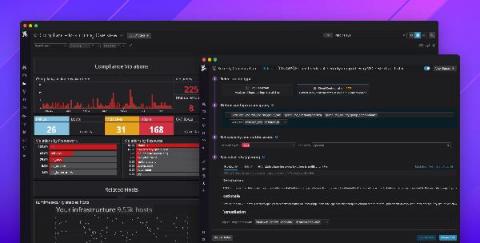
Governance, risk, and compliance (GRC) are major inhibitors for organizations moving to the cloud—and for good reason. Cloud environments are complex, and even a single misconfigured security group can result in a serious data breach. In fact, misconfigurations were the leading cause of cloud security breaches in 2020. This puts a lot of pressure on developer and operations teams to properly secure their services and maintain regulatory compliance.
In my previous post, I discussed cloud-computing security challenges identified in our new report, Beyond Cloud Adoption: How to Embrace the Cloud for Security and Business Benefits. Based on a survey conducted by Enterprise Strategy Group (ESG), the report found that while cloud computing does initially introduce security challenges and increased complexity, it’s worth it in the end. That said, CISOs need to strategically invest time and resources to achieve better security outcomes.