In today's digital world, cyber threats are becoming increasingly sophisticated and harder to detect. Traditional security measures such as firewalls and VPNs are no longer enough to protect against ever-evolving threats. This is where zero-trust network architecture comes into play. In this blog post, we'll explore zero-trust network architecture and how it can work alongside Wi-Fi security to provide robust protection for your network.
AppSec teams often struggle to either validate or scale their security policies, like enforcing security headers or removing risky technologies. This job is easier said than done, and teams are feeling the pinch. To address these challenges, we launched Attack Surface Custom Policies – a powerful feature built directly into Surface Monitoring that makes it possible to set, enforce, and scale customizable security policies so you can focus on the issues that matter most.
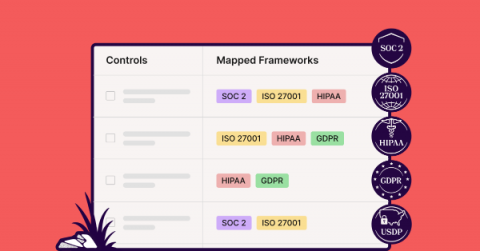
The cybersecurity landscape is becoming increasingly complex and challenging for businesses of all sizes. As an MSP, you're well aware of the growing demand for comprehensive security and compliance solutions. With the right tools and strategies in place, you can help your clients navigate this complex landscape while unlocking new revenue streams for your business.
Microsoft Active Directory (AD) is the central credential store for 90% of organizations worldwide. As the gatekeeper to business applications and data, it’s not just everywhere, it’s everything! Managing AD is a never-ending task, and securing it is even harder. At Netwrix, we talk to a lot of customers who are using our tools to manage and secure AD, and over the years, key strategies for tightening security and hardening AD to resist attacks have emerged.
Karl Sigler, Senior Security Research Manager, SpiderLabs Threat Intelligence, conducted a series of briefings in Washington, D.C., to federal officials on April 12-13, giving an update on what Trustwave SpiderLabs researchers are finding with the Russia-Ukraine War, ChatGPT, and current phishing trends. During his time in Washington, Sigler spoke with the U.S. Senate Armed Services Committee, Department of Homeland Security/TSA, Senate staffers, and other departments.