Security | Threat Detection | Cyberattacks | DevSecOps | Compliance

Image Scanning with GitHub Actions

Scanning a container image for vulnerabilities or bad practices on your GitHub Actions using Sysdig Secure is a straightforward process. This article demonstrates a step-by-step example of how to do it. The following proof of content showcased how to leverage the sysdig-cli-scanner with GitHub Actions. Although possible, it is not officially supported by Sysdig, so we recommend checking the documentation to adapt these steps to your environment.

Talent Acquisition digital transition crisis - Why Identity Verification is the solution?

Talent acquisition is a planned process of identifying, assessing, and acquiring new employees. It starts with the intent to hire the best-performing resource in the industry. It is a carefully curated technique to fetch the best talent for organizational growth. And unlike general recruitment, it focuses more on quality over quantity. Lately we have seen the growth of personnel being hired online, from the process of selecting the employees to the interview are all managed and processed online.

8 cybersecurity practices for back-to-school classrooms

For the education sector, data security ranges from the need to protect devices to safeguarding the sensitive information and privacy of its users, including students, their parents, and the institution's staff. Taking into account the current context in which educational centers operate, which involves combining remote learning and in-person teaching, as well as the use of personal devices, we analyze the most common cybersecurity threats affecting the sector.

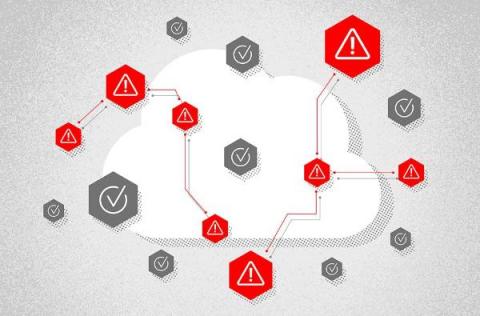
3 Best Practices to Save Yourself Zero-Day Exploits

52% of attacks in 2021 began with a zero-day exploit. Here are 4 things you can do to make sure your organization is safe: Understand your attack surfaces from the outside. You need to understand how your external attack surface looks because that's how attackers break in. Have a patching program on hand. When a patch comes out from a software vendor, apply it as soon as possible. Then, rescan your entire attack surface to confirm that it’s applied properly. Build your network with resilience in mind.

The Anatomy of Wiper Malware, Part 3: Input/Output Controls

In Part 1 of this four-part blog series examining wiper malware, the CrowdStrike Endpoint Protection Content Research Team introduced the topic of wipers, reviewed their recent history and presented common adversary techniques that leverage wipers to destroy system data. In Part 2, the team dove into third-party drivers and how they may be used to destroy system data.