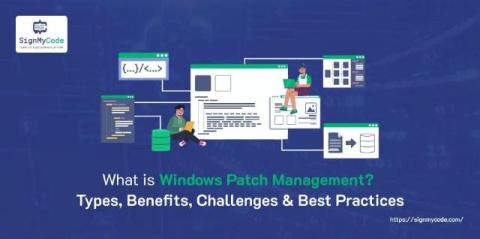
A patch is a set of modifications that mean to update, repair or improve the computer program or its corresponding data. Patches are a key component of software support and lifecycle.
On this episode of the podcast, we cover our two favorite briefings from the first day at the Black Hat security conference. We start with our thoughts on "shadow resources" in cloud environments before giving an update to last week's episode with additional research into AI-as-a-Service attacks. The 443 Security Simplified is a weekly podcast that gets inside the minds of leading white-hat hackers and security researchers, covering the latest cybersecurity headlines and trends.
In today's rapidly evolving IT landscape, effective change management is crucial for maintaining network stability and performance, but many organizations lack a consistent change process. Lack of process often leads to unintended consequences, such as outages and performance degradation. A network digital twin offers a transformative solution to these challenges by streamlining change management processes and providing pre- and post-change verification to enhance operational efficiency.
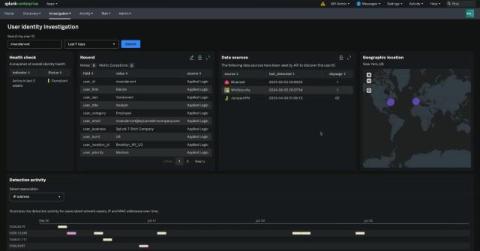
A couple of weeks ago, we started talking about cybersecurity spending and how we, as security professionals, need to rethink prioritizing those budgets to match the cyber threat landscape. One key takeaway: identity and access management (IAM) is chronically underfunded compared to other, more glamorous security initiatives.
The financial repercussions of the May 2024 ransomware attack on the electronics manufacturing services firm Key Tronic underscores just how costly these attacks are. Key Tronic makes parts for a number of sectors, including computer, telecom, medical, industrial, automotive and aerospace. They were struck in May with a ransomware attack by Black Basta, which claimed to have stolen 500 GB of data.
Child identity theft can happen in many different ways, such as by family members, data breaches, compromised online accounts or even sensitive documents being stolen. According to a Carnegie Mellon CyLab study, children are 51 times more likely to fall victim to identity theft than adults. Child identity theft happens when an individual uses a minor’s sensitive information to open lines of credit, get loans or steal benefits under the minor’s name.
Is your company grappling with an increasing volume and complexity of information? A strong data governance framework is essential to harness the power of data while lessening risks. This strategic framework ensures data is managed effectively, meets quality standards, and supports informed decision-making, quality standards, and supporting informed decisions. As regulatory compliance burdens intensify, data governance has become critical to organizational success.
In this episode of CISO Conversations: EU Data Regulations, Richard Cassidy, EMEA Field CISO at Rubrik, shares why organizations should prioritize ransomware detection and recovery to minimize regulatory communication and avoid fines.
The Splunk team is excited to announce the release of the latest addition to our security product portfolio, Splunk Asset and Risk Intelligence (ARI). The modern digital landscape is a complex mix of devices, users, and a wide array of products and applications, all spread across on-prem, cloud, and hybrid environments.
This week, the National Institute for Standards and Technology (NIST) released “Implementing a Zero Trust Architecture (NIST SP 1800-35)” for public comment. The guide is written by NIST’s National Cybersecurity Center of Excellence (NCCoE) in collaboration with 24 cybersecurity companies. Now in its fourth draft, NCCoE has opened up comments for this Zero Trust Architecture (ZTA) guide through Sept. 30, 2024, as part of a 60-day review cycle.