Security | Threat Detection | Cyberattacks | DevSecOps | Compliance

Is it possible to shift on-premises Active Directory to the cloud with AWS Managed Microsoft Active Directory?

I’ve seen this question bouncing about in different forums for quite some time now. I haven’t seen any definitive answers because it always depends on the organization’s use of AD. Recently, I noticed something called AWS Managed Microsoft Active Directory. I must admit, six months ago I was not aware of AWS Managed Microsoft Active Directory, but when I started looking into this cloud-based AD solution, some connections started coming together.

Navigating the Intersection of Delegation and Authorization

In the complex world of information management and system administration, two fundamental concepts – delegation and authorization – often intersect to determine how permissions, responsibilities and security are handled. In this blog post, we'll explore the intriguing interplay between delegation and authorization and how they work together to ensure efficient access and secure operations. Delegation: Sharing Responsibility.

Essential IAM Solution Insights: Your Ultimate Guide to Identity Access Management

As digital threats evolve, securing access to enterprise systems and data is paramount. IAM solutions provide a strategic approach to control and monitor user permissions effectively. In this article, we decode how IAM works, its components, and its indispensable role in fortifying modern business security.

What To Look for in a PAM Solution

Organizations need a Privileged Access Management (PAM) solution to protect their privileged accounts from misuse and compromise. However, not all PAM solutions are created the same. Traditional on-premises PAM platforms can lack the features needed to provide a dynamic and secure solution. The key features to look for in a modern PAM solution include zero-trust security, cloud-based infrastructure, integration with native tools and easy deployment.

Unified Identity - look for the meaning behind the hype!

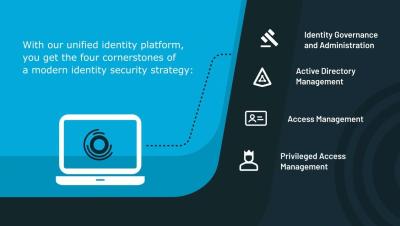
If you've listened to software vendors in the identity space lately, you will have noticed that "unified" has quickly become the buzzword that everyone is adopting to describe their portfolio. And this is great! Unified identity has some amazing benefits! However (there is always a however, right?) not every "unified" "identity" "security" "platform" is made equal.

Mastering Access Management: Your Essential Guide to Effective IAM Solutions

As cybersecurity threats evolve, how can your organisation stay shielded while ensuring staff efficiency? Access management is the cornerstone of a secure digital environment, balancing critical data protection with essential user accessibility. In this article, we will guide you through strategic insights and practical steps to bolster your enterprise’s defences with robust Identity Access Management (IAM) solutions.

AWS IAM Best Practices

In today’s interconnected digital landscape, robust IAM (Identity and Access Management) practices are critical pillars of an organization’s cybersecurity strategy. IAM serves as the fortress guarding sensitive data, applications, and systems from unauthorized access or breaches. Implementing top-tier IAM practices ensures not only data protection but also compliance adherence and streamlined user access.

Keeper Webinar With ActualTech Media - Identity & Access Management

Keeper was invited by ActualTech Media to discuss Identity & Access Management: Keys to Success in 2024 EcoCast. Tom Cole, a solutions engineer at Keeper, dives into what makes KeeperPAM a next-gen privileged access management solution that delivers enterprise-grade password, secrets and privileged connection management in one unified platform.

Harnessing the Power of the Cloud: Understanding the Vital Role of Privileged Access Management

The cloud stands as a revolutionary force, redefining the way businesses operate, collaborate and innovate. Its scalability, flexibility and accessibility have transformed industries, offering a wealth of opportunities for organizations of all sizes. However, with these advancements come significant security concerns, particularly in managing access to sensitive data and critical systems.