In early April, the tech industry witnessed a major GitHub security incident targeting GitHub organizations using Heroku and Travis CI. GitHub was made aware of this threat via an attack leveraging AWS API keys to GitHub’s own npm production infrastructure. As upstream security risks within SaaS platforms become more common, organizations that leverage these platforms are relying on tools like Nightfall to protect themselves.
Introducing the newest member of the JFrog ecosystem team – Frogbot. This new git bot tool works for you by protecting your git projects, as they are being developed, from security vulnerabilities. Register for my talk “Bots to Protect your Source Code” swampUP 2022.
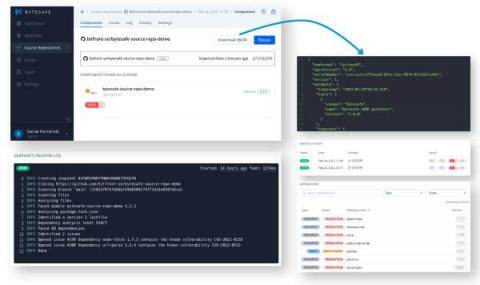
Guest Blog by Daniel Parmenvik – CEO of bytesafe.dev For many, Software Bill of Materials (SBOMs) have changed from a manual list of assets for due diligence procedures to become an integral and automated part of software development. The ever increasing appetite for open-source software translates into a need to keep track of software assets (or open-source dependencies) for all applications, at any given point in time.
1Password now includes full support for SSH keys, providing the easiest and most secure way for developers to manage SSH keys and use Git in their daily workflow.
Another day, another cloud service leaking personal data because of a misconfiguration. And before you jump to any conclusions, no, it’s not a leaky bucket on AWS S3 or a public blob on Microsoft Azure… The culprit is, once again, GitHub, where an open-source hardware manufacturer has inadvertently left exposed a private-to-public repository that “could have enabled unauthorized access to information about certain user accounts on or before 2019.”
State-sponsored threat actors continue to exploit legitimate cloud services. In their latest campaign, uncovered by Malwarebytes during January 2022, the North Korean group Lazarus (AKA HIDDEN COBRA) has been carrying out spear phishing attacks, delivering a malicious document masquerading as a job opportunity from Lockheed Martin (37% of malware is now delivered via Office documents).
In November 2021, AT&T Alien Labs™ first published research on our discovery of new malware written in the open-source programming language Golang. The team named this malware “BotenaGo.” In this article, Alien Labs is updating that research with new information.