Security | Threat Detection | Cyberattacks | DevSecOps | Compliance

Why Continuous Attack Surface Management is No Longer Optional

From Executive Orders to cyber insurance and evolving regulations, security teams are entering the age of evidence. Want to do business with a government entity? You must demonstrate adherence to zero-trust principles. Want cyber insurance? You need documentation of your entire attack surface. Want to conduct financial services business in various regions? Show your operational resiliency.

Malware Analysis Guide: Types & Tools

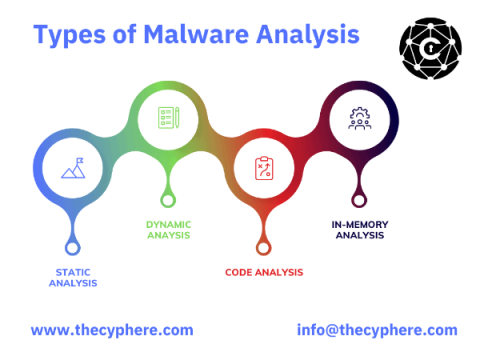
Malware analysis is a process of identifying and examining malware samples to understand the threat they pose. This information can develop defences against the malware or help remove it from infected systems. Malware analysis is a critical skill for incident responders and IT professionals. There are a variety of malware analysis tools and techniques that can be used, depending on the type of malware sample.

Attack Surface Management vs. Vulnerability Management

Cyber innovation and digital transformation are moving at increasing speeds. With the shift to cloud-based software and assets, SaaS (software-as-a-service) applications, and the need for remote working, businesses are changing the way they approach risk management and the security of their digital assets.

How To Secure Default IIS Site & Enable Windows Authentication

By default, when you create a new Internet Information Services (IIS) website, it’s open to everyone with anonymous access enabled — anyone can access and view the data being hosted by that site. Obviously, this is a security concern for most organizations. Indeed, I’m often asked by clients and colleagues how to lock down an IIS site so only the desired people can access it.

Building Sustainable Services

Arguably the biggest challenge facing the cyber security industry today is the shortage of skilled professionals. The worldwide skills gap is much reported and debated, with many organisations feeling the strain of not enough viable candidates to fill their vacant positions in an area that is seeing significant expansion in many organisations who are rightly beginning to take cyber security seriously.

Biometric Verification in Identity Proofing - Everything you need to know

Every individual possesses distinguishing qualities that are exclusive to them and nobody else. Our biometrics consist of things like our voice, fingerprints, and facial patterns. The method of identifying people using these distinctive traits is known as biometric verification or in some cases where facial biometrics are used, it is called Face Match. In a digital setting, Face Match Online aids in addressing the “who are you?” question.

CISO Interview Series: Professor Richard Benham

In the cybersecurity profession, some names stick out among the great creators and contributors. I recently had the opportunity to speak with Richard Benham about the role of a Chief Information Security Officer (CISO). Professor Richard Benham is known globally as a pioneer in the world of Cybersecurity, Artificial Intelligence, and Cyber Warfare.

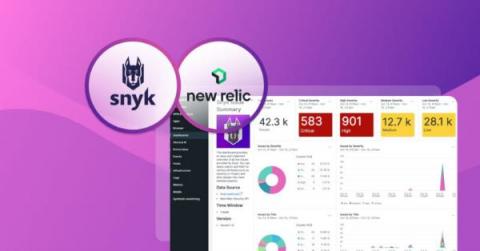
How to send Snyk vulnerability data to the New Relic observability platform

Security and observability data go hand in hand when it comes to application health. If you can put those two sources of data behind a single pane of glass you can make your life a lot easier. By leveraging the different options that the Snyk platform provides, you can send all your application security vulnerabilities found by Snyk directly to your New Relic observability platform. Let’s see how!