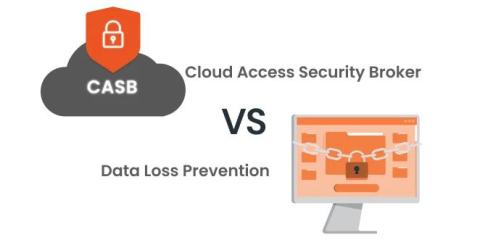
CASB vs DLP: Understanding the Differences

As businesses move more workloads to cloud apps like Microsoft 365, Google Workspace, Salesforce, and dozens of SaaS tools, the biggest question becomes: “How to keep business data stored on cloud apps safe?” With employees accessing cloud apps from different devices, networks, and locations, the risk of data exposure growns significantly. To address this, many organizations rely on two key security solutions: Cloud Access Security Brokers (CASB) and Data Loss Prevention (DLP).
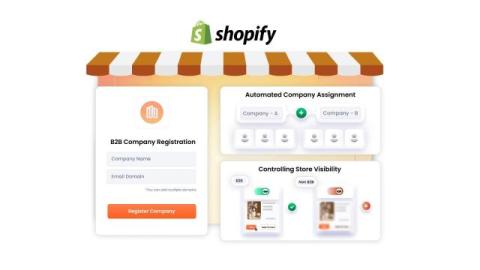
How Shopify Plus Merchants Can Simplify B2B Company Assignment & Access Control

Imagine a procurement manager from a verified enterprise logging into your Shopify Plus store to place a bulk order — only to find they can’t access the wholesale catalog or exclusive pricing. Therefore, admins must step in manually to verify the company and assign access, turning what should be a simple order into hours of work.

CISO Guide: 3 Steps to Stop Business Logic Abuse in Design #ciso #businesslogic #apisecurity

Fixing Business Logic Abuse starts at the whiteboard, long before code is written. Here is the three-step defense: Map Critical Workflows: Visualize data flows and state transitions for all high-value features. Implement Adversary Emulation: Integrate the hacker's mindset into your process to find flaws early. Test Constantly: Refine and re-test the logic at every phase of the CI/CD pipeline.

Backup vs. Replication: Key Differences Explained

When your application crashes or a region goes offline, the difference between backup and replication determines whether you’re back online in minutes or scrambling for days. Most IT teams confuse these two strategies, but they solve different problems. Backup creates point-in-time copies of your data for recovery after corruption or deletion. Replication maintains synchronized copies across systems for high availability and failover.

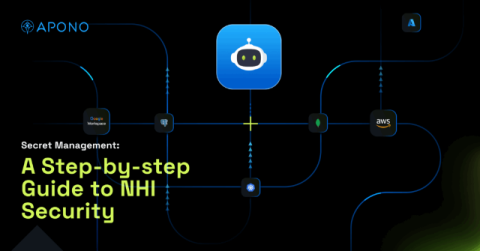
Secret Management: A Step-by-step Guide to NHI Security

It’s not hard for secrets to sprawl, buried under layers of commits and forgotten branches. Most teams don’t notice it until one bad push exposes everything. Secret leaks don’t come from breaches, but from configuration drift and forgotten credentials; a gap that traditional vault tools struggle to close on their own. Here’s the scale of that mess. Machine identities now outnumber human users by more than 80 to 1, and each one relies on credentials to function.

CVE-2025-10573: Critical Unauthenticated Stored XSS in Ivanti Endpoint Manager

A newly disclosed vulnerability in Ivanti Endpoint Manager (EPM) tracked as CVE-2025-10573 allows unauthenticated attackers to inject persistent JavaScript into the EPM administrative dashboard. Assigned a CVSS score of 9.6, this vulnerability presents a critical security risk because it enables attackers to hijack administrator sessions and gain full control over managed endpoints.