Ransomware victim hacks attacker, turning the tables by stealing decryption keys

Normally it works like this. Someone gets infected by ransomware, and then they pay the ransom. The victim then licks their wounds and hopefully learns something from the experience. And that’s what happened to Tobias Frömel, a German developer and web designer who found himself paying a Bitcoin ransom of 670 Euros (US $735) after his QNAP NAS drive was hit by the Muhstik ransomware.
What is Email Spoofing?

Email spoofing is the creation of emails with a forged sender address. Because core email protocols lack authentication, phishing attacks and spam emails can spoof the email header to mislead the recipient about the sender of the email. The goal of email spoofing is to get recipients to open, respond and engage with the email message. Email spoofing can greatly increase the effectiveness of phishing and other email-based cyber attacks by tricking the recipient into trusting the email and its sender.

5 Tips for Preventing Ransomware Attacks

You don't need to be a cybersecurity expert to know that ransomware attacks have become one of today's greatest IT security threats. From WannaCry to the attack against the city of Atlanta, major ransomware exploits have become so commonplace in the last few years that they may seem impossible to avoid. Fortunately, preventing ransomware is far from impossible. Let's take a look at a few strategies you can put in place to mitigate your risk of becoming part of the next ransomware statistic.

Workplace design tips to help deter hackers

31 percent of companies in the USA have been subjected to cyber attacks and 43 percent of those attacks were aimed at small businesses. When workplaces are designed with cybersecurity in mind, the odds of breaches will decrease. This is good news, because some breaches have the capacity to put companies out of business. These workplace design tips will make it simpler to keep hackers out of workplace networks.

Survey: 93% of ICS Pros Fear Digital Attacks Will Affect Operations

Digital attackers are increasingly targeting industrial environments these days. Take manufacturing organizations, for instance. Back in late-August, FortiGuard Labs discovered a malspam campaign that had targeted a large U.S. manufacturing company with a variant of the LokiBot infostealer family. It wasn’t long thereafter when Bloomberg reported on the efforts of bad actors to target Airbus by infiltrating its suppliers’ networks.

Knowledge Management with Netwrix Data Classification

This short video explains how Netwrix Data Classification can help you unleash the full power of your data and maximize the productivity of project teams. Your organization has unique and valuable knowledge assets, intellectual capital and experience — but are you able to leverage that content for maximum business advantage? More often, corporate memory is short, knowledge workers struggle to untangle the data chaos, and experience is lost forever when employees leave the company.

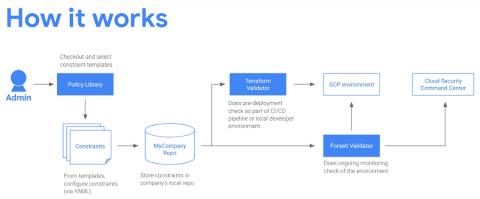
Protecting your GCP infrastructure at scale with Forseti Config Validator part two: Scanning for labels

Welcome back to our series on best practices for managing and securing your Google Cloud infrastructure at scale. In a previous post, we talked about how to use the open-source tools Forseti and Config Validator to scan for non-compliant tools in your environment. Today, we’ll go one step further and show you another best practice for security operations: the systematic use of labels.