Whose vulnerability is it anyway?

Application security is a top priority today for companies that are developing software. However, it is also becoming more challenging and complex as release frequency continues to rise, more open source components are adopted, and the requirements for data security are getting stricter. Thanks to new DevOps practices and tools, development cycles are getting shorter, allowing organizations to meet market demands and deliver a superior customer experience, but is application security keeping up?

Lessons Learnt By An Agent Of Chaos From DevOps

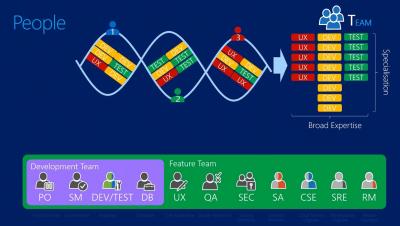
Is your organization ready to embrace a DevOps mindset? Receive a pragmatic view from an agent of chaos, who’s promoting the goal for a single continuous integration and delivery pipeline, shifting testing, security, code reviews, and other opportunities to improve information sharing and quality to the left, shifting configuration to the right, and most importantly, aiming to delight users with constant value.

5 most common mobile phishing tactics

Phishing is one of the things that keeps CISOs up at night. Phishing attacks are effective and simple to launch, and used by financially motivated attackers as well as more targeted attacks. In the case of a targeted attack, it may harvest login credentials to gain access to corporate or personal resources. In fact, sometimes corporate access can be used to steal personal data, and vice versa.

Effectively Managing The Shift To A Remote Workforce

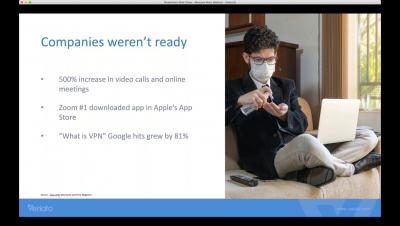
2020 Has left many people feeling like we’re living in an alternate reality as COVID-19 sweeps the globe, changing life as we know it. Companies ultimately have no choice but to embrace the reality of a fully remote workforce where reliance on technology becomes critical to business continuity. Watch the Webinar Reply to learn more.

PCI Compliance for Containers and Kubernetes

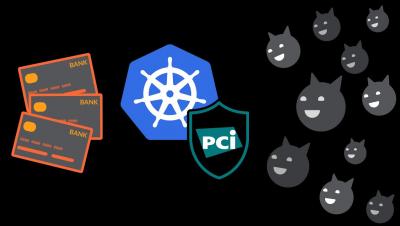
Attend our webinar about PCI compliance in containers & Kubernetes: Download our PCI Guide: More info in our blog: Many of your applications are now starting to run on containers in the cloud. If your applications are at all dealing with credit card data, you may be wondering how to validate PCI compliance, a well known regulation for handling this data securely. PCI is also a must have requirement to check off before your code gets to production.

Open Source Analysis Extends Your Visibility

When we think of open source analysis, security is often the first thing that comes to mind. But open source analysis is so much more than just security. It gives you visibility into your codebase to help you understand and manage your open source components. In this blog, we’ll define open source analysis, look at why it’s important to your business, and describe the characteristics of an effective open source analysis framework.

Kubernetes Threat Intelligence: Detecting Domain Generation Algorithms (DGA)

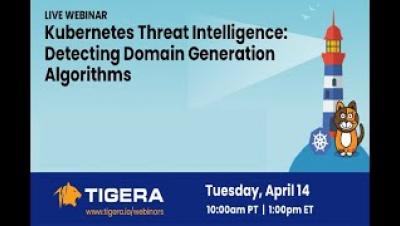
Malicious actors often use Domain Generation Algorithms (DGA) to exploit the DNS protocol and execute command-and-control (C & C) malware attacks. In this webinar, threat researchers Manoj Ajuhe and Chris Gong from Tigera’s Threat Detection Team will be sharing the latest insights into DGAs, the risks they present, along with best practices to speed detection and mitigation.

The origin of Open Policy Agent and Rego

Why the cloud-native architecture required a new policy language I recently started a new series on the Open Policy Agent (OPA) blog on why Rego, OPA’s policy language, looks and behaves the way it does. The blog post dives into the core design principles for Rego, why they’re important, and how they’ve influenced the language. I hope it will help OPA users better understand the language, so they can more easily jump into creating policy of their own.

7 key steps to Zero Trust

This is part 3 of a 3 part blog series My last two blog entries provided some key elements of a Zero Trust Network (ZTN), which focused on the tenets of zero trust and how the confidence is gained for untrusted traffic and authorized on a continual basis. The comprehensive nature of Zero Trust can be a little overwhelming in a world of limited resources, time and budgets.