Fix now: High risk vulnerabilities at large, September 29th

Since the global pandemic we’ve been writing about the latest CVEs to look out for in our risk based vulnerability management blog. As we head into the Autumn and the nights begin to draw in, threat actors continue to exploit vulnerabilities and cause disruption. Let’s take a look at some that have raised their profile in the last couple of weeks

Dangerous Docs: Surge in Cloud-delivered Malicious Office Documents

The global pandemic caused an abrupt shift to remote work among enterprise knowledge workers, which in turn resulted in an increase in risky behavior. Attackers immediately tried to capitalize on the pandemic, with COVID-19-themed phishing emails, scams, and Trojans. At the same time, techniques used in more sophisticated cyberattacks continued to evolve.

Install Veracode for VS Code to Run Greenlight Scans

In this video, you will learn how to install the Veracode for VS Code extension. The Veracode for VS Code extension is available from the Visual Studio Marketplace. Greenlight finds security defects in your code in seconds so you can fix the findings directly in your IDE. Veracode for VS Code is an extension to Visual Studio Code, which performs a Veracode Greenlight scan at the file level, and supports JavaScript, TypeScript, and C#.

Kubernetes Q3-2020: Threats, Exploits and TTPs

Kubernetes has become the world’s most popular container orchestration system and is taking the enterprise ecosystem by storm. At this disruptive moment it’s useful to look back and review the security threats that have evolved in this dynamic landscape. Identifying these threats and exploits and being a proactive learner may save you a lot of time and effort…as well as help you retain your reputation in the long run.

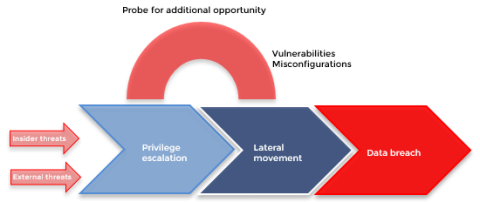
Advanced Active Directory attacks: Simulating domain controller behavior

There was a time when cyberattacks on identity and authentication infrastructures [like Active Directory (AD)] were immensely challenging to perform. A lot of forethought had to be put into devising a plan for the careful execution of attacks, and advanced technical knowledge of domains and networks was a requisite. Over time, with the advent of open-source pen testing tools, the knowledge gap and the complexities involved to carry out a full-scale cyberattack have narrowed drastically.