Fighting back at bots with Scott Helme

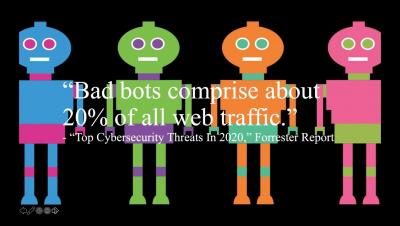
Humans have become a minority of internet users, with automated bot traffic accounting for more than half of all internet traffic. However, most businesses do not know the composition of their web traffic, or what that traffic is doing on their websites. A trillion-dollar cyber-crime business has been born out of this environment, at the expense of organisations around the world. As the cyber threat grows, the internet is becoming increasingly unfair and driving businesses to spend roughly $88bn on cybersecurity, with this figure predicted to increase by 1,200% to $1tn in 2021.
When robots strike: The hidden dangers of business logic attacks

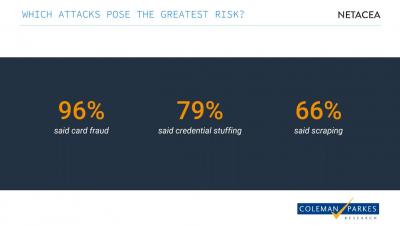
When organisations consider how to protect their web applications from attacks, they often focus on security scans and pen tests to identify technical security flaws. While this is absolutely correct, there is another risk that often remains undetected until it is too late: business logic attacks.

Uncovering Bots in eCommerce Netacea Webinar

Up to 40% of traffic to an eCommerce site consists of automated bot traffic, but many eCommerce sites lack the visibility required to accurately identify human traffic vs. good and bad bots. Watch the webinar recording and hear from guest speakers from leading eCommerce organizations who discuss what bots mean for them in 2020, the challenges facing technology leaders and their approaches to managing bot traffic.

The DevOps Guide to Appsec

Web app attacks remain the #1 vector exploited in successful breaches. With agile development, apps run the risk of creating new vulnerabilities or perpetuating old ones on a weekly, daily, even hourly basis, security and risk managers need to step up a programmatic response. Fortunately there's a new, collaborative model for Appsec that organizations can operate in a mostly automated manner. Download our useful DevOps guide and learn how best to operationalize security testing in an agile process.

10 AWS Best Security Practices Guide

More and more companies choose to migrate to a Cloud infrastructure to take advantage of new resources, an elastic storage power and agile deployment, nevertheless IT professionals are not always trained to secure these new technologies. Like traditional infrastructures, a public Cloud infrastructure services requires the implementation of security measures and controls by their users. Enterprises must adapt their security policy to these new technologies to reap the Cloud benefits without increasing their cyberattacks exposure area.

You Can Run, But You Can't Hide: Detecting Malicious Office Documents

Malicious Microsoft Office documents are a popular vehicle for malware distribution. Malware families such as Emotet, IcedID, and Dridex use Office documents as their primary distribution mechanism. Several recent Emotet attacks used a novel approach to sending email baits and hosted the malicious documents in cloud apps to increase their success.

The Devil's in the Dependency: Data-Driven Software Composition Analysis

We all know that lurking within even the most popular open source packages are flaws that can leave carefully constructed applications vulnerable. In fact, 71% of all applications contain flawed open source libraries, many (70.7%) coming from downstream dependencies which might escape the notice of developers. Using graph analytics and a broad data science toolkit, we untangle the web of open source dependencies and flaws and show the best way for developers to navigate this seemingly intractable game of whack-a-mole.

Nightfall Data Loss Prevention makes HIPAA Compliance Possible

Covered entities bound by law to follow HIPAA regulations – like healthcare providers, health plans, and others handling protected health information (PHI) – need to demonstrate efforts to secure PHI. The specific measures required to do so are detailed in the HIPAA security rule which states that covered entities must put controls into place to identify and protect against anticipated threats to the security and integrity of PHI.