OWASP Top 10: Using Components with Known Vulnerabilities Security Vulnerability Practical Overview

If you know about a vulnerability, you can be certain that adversaries also know about it – and are working to exploit it. It sounds like a no-brainer; but using components with known vulnerabilities still makes #9 in the current OWASP list of the ten most critical web application security risks.
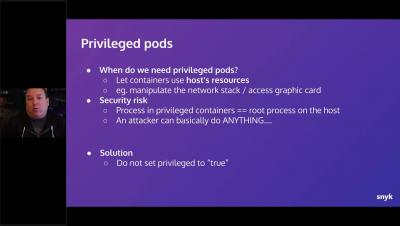
Hack my misconfigured Kubernetes at Kubecon Europe

In the last few years, we’ve seen more and more responsibilities shift left – to development teams. With the widespread adoption of Kubernetes, we’re now seeing configurations become a developer issue first and foremost. This responsibility means that developers need to be aware of the security risks involved in their configurations.

Creating An Audit Program In Today's Digital Landscape To Promote Compliance

In todays political landscape a more aggressive enforcement approach from health and safety regulators is fast approaching. For employers looking to reduce their business risk, achieving regulatory compliance starts with creating an audit program that is both strong and sustainable. However, with COVID-19 restrictions still in place, many organizations are facing new barriers that may impede how they assess compliance and limit their potential exposure.

The State of Infrastructure as Code Security at Kubecon Europe

The adoption of infrastructure-as-code and configuration-as-code is soaring with the rising popularity of technologies like Kubernetes and Terraform. This means that designing and deploying infrastructure is a developer task, even if your “developer” is an infrastructure architect, and, just like application code, configurations can use test-driven methodologies to automate security prior to deployment.

What is the Coralogix Security Traffic Analyzer (STA), and Why Do I Need It?

The wide-spread adoption of cloud infrastructure has proven to be highly beneficial, but has also introduced new challenges and added costs – especially when it comes to security. As organizations migrate to the cloud, they relinquish access to their servers and all information that flows between them and the outside world. This data is fundamental to both security and observability.

OWASP Top 10 in 2021: Vulnerable and Outdated Components Practical Overview

If you know about a vulnerability, you can be certain that adversaries also know about it – and are working to exploit it. It sounds like a no-brainer; but using components with known vulnerabilities still makes #6 in the current OWASP list of the ten most critical web application security risks.
Trend Micro launches Cloud One Open Source Security powered by Snyk

Last summer, we announced our plan to expand our partnership with Trend Micro to provide security operations teams visibility and tracking of vulnerabilities and license risks in open source components. The long-standing partnership already includes container image security scanning that leverages Snyk’s proprietary vulnerability database.

The top 10 network security vulnerabilities for businesses in 2021

As per UK DCMS’s data breaches survey, about 32% of businesses in the UK have faced a form of cybersecurity threat between 2018 and 2019. As a result of these network security vulnerabilities, these businesses incurred costs on lost data and many other damages that totalled £4,180.

Cybersecurity and Compliance for Healthcare Organizations

Amidst the pandemic overwhelming the capacity of many hospital systems, malicious hackers have been quick to target healthcare providers and medical agencies. These cyber-attacks have hit both the United States and Europe in recent months, serving as a reminder for organizations to closely review their information security posture during these times of uncertainty.

Data Subject Access Request: Article 15 GDPR - The Right of Access

In today’s data-driven world, every other company and application collects a significant amount of important data and individual’s personal information such as name, email ID, address, date of birth, ID number, credit card information, and online behaviours, history and much more. Sharing data has become an essential component to many businesses and organisations; it allows the data controller and data subjects to stay connected and collaborate on many things.