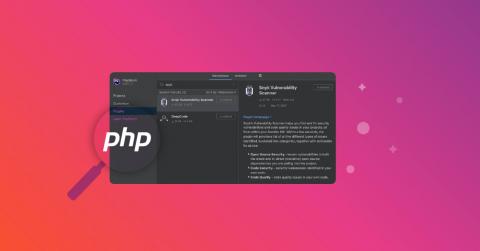
5 ways to prevent PHP code injection

Following on from my previous post on testing for PHP Composer security vulnerabilities, I thought this post might be useful in helping create more secure applications that prevent PHP code injection. As developers, we build apps to help make end users’ lives easier. Be it entertainment, workplace or social network application, the end goal is to protect the users we build for by ensuring we build security into the code.


Secure Software Development: How to Check Your Code

In May of 2021, a cybercrime organization called DarkSide successfully locked operators of the Colonial Pipeline, which supplies the east coast with 45% of its petroleum fuel, out of their own software system with a type of malware called "ransomware." True to its name, ransomware returns access to your software (in theory) if you pay a ransom. The result-fuel supplies collapsed across the eastern United States, with gas lines, price spikes, and panic. People began hoarding gasoline in states not even served by the Colonial Pipeline. The US government passed emergency legislation. Even DarkSide seemed shocked at the impact of their cyberattack.

Why companies need URL filtering for enhanced cloud protection

The cloud landscape is rife with unsafe URLs and inappropriate content. This—coupled with the accelerated adoption of cloud applications in the workplace—has created an urgent need to scrutinize and control the use of these online resources to prevent data theft, exposure, and loss. This blog elaborates on how a robust URL filtering solution can help manage what cloud services your employees use and how they interact with these services.

EventSentry on GitHub: PowerShell module, templates and more!

Since we’ve accumulated a lot of resources around EventSentry that are updated frequently, we’ve decided to launch a GitHub page where anyone can access and download scripts, configuration templates, screen backgrounds and our brand-new PowerShell module that is still under development.

Too Many Vulnerabilities and Too Little Time: How Do I Ship the Product?

The percentage of open source code in the enterprise has been estimated to be in the 40 percent to 70 percent range. This doesn't make the headlines anymore, but even if your company falls in the average of this range, there is no dearth of work to do to clean up, comply with AppSec policies, and ship the product. Phew! So where do you start when it comes to resolving all the vulnerabilities uncovered in your open source libraries?

A day in the life of cybersecurity. Splunk customer stories of SOC-cess

We have a saying at Splunk. It goes something like “if you’re ever having a bad day, go and talk to a customer”. What organizations around the world are doing with their data and Splunk brings a huge smile and an eyebrow raising, positive “can’t quite believe you’ve done that” very-impressed nod of the head. That’s never more true than with our security customers.

Should Australian Businesses Pay Ransoms to Cybercriminals?

The Australian Cyber Security Center (ACSC) strongly advises against paying ransoms of any amount to cybercriminals. In some circumstances, these payments could even be illegal. The Australian government is tightening its cybersecurity regulations to align with the United State's new stance on nation-state threats. As a result, there have been significant changes to how Australian businesses are expected to respond to cyberattacks.

The Colonial Pipeline Ransomware Attack: The Fallout and Its Implications

Cybercriminals use ransomware to block organizations from accessing their critical business data to extort ransoms. Data encryption protects data wherever it resides. The encrypted data becomes obsolete as encryption makes it difficult for the ransomware to detect it and attack. A good data backup & restoration strategy and a DRM solution are the key factors when companies want to respond to ransomware attacks. These allow companies to restore the data encrypted during the attack.

5 Cyber Risks SLED Agencies Need to Protect Against

Last year was a tough one for schools, local, and state governments. Not simply because of COVID-19, which forced every local government and school to navigate a pandemic, but also because the pandemic brought with it a different set of dangers. While local governments and schools were trying to figure out remote learning, remote work, and how to run public meetings safely and effectively online, cybercriminals took advantage of the fact that the remote world is new to most small governments.

Asset management in the age of digital transformation

Over the past year or so, organizations have rapidly accelerated their digital transformation by employing technologies like cloud and containers to support the shift to IoT and address the expanding remote workforce. This digital shift calls for a new approach to asset visibility as traditional asset administration responsibilities like inventory, software support, and license oversight are often the purview of IT and addressed with IT inventory-focused tools.