The U.S. government aims to tackle cybercrime, in particular attacks targeting critical infrastructure. For this purpose, the U.S. State Department has announced a reward of up to $10 million to anyone who offers valid information about any potential cyberattacks on critical infrastructure supported by foreign states.
Our Data Privacy Services team collates the most interesting practical ramifications from implementing the new SCCs with our GDPR services customers. In our latest update of the Data Privacy Periodic Table , we included reference to the EU’s June 2021 release of substantially updated Standard Contractual Clauses (SCCs), triggered by 2020’s Schrems II ruling. The new, far more substantial SCCs have been largely welcomed.
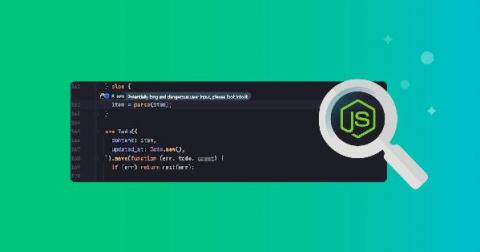
As developers, we spend a lot of time in our IDEs writing new code, refactoring code, adding tests, fixing bugs and more. And in recent years, IDEs have become powerful tools, helping us developers with anything from interacting with HTTP requests to generally boosting our productivity. So you have to ask — what if we could also prevent security issues in our code before we ship it?
Ransomware is having a bit of a moment. Check Point revealed that ransomware attacks increased 102% globally in H1 2021 compared to the start of the previous year, with the number of corporate ransomware victims having doubled over that same period. Average ransom payments also grew 171% from $115,123 in 2019 to $312,493 a year later. But those weren’t the amounts originally demanded by attackers. Indeed, ransomware actors wanted an average of $847,344 from their victims in 2020.
In July of 2021, a new ransomware named BlackMatter emerged and was being advertised in web forums where the group was searching for compromised networks from companies with revenues of $100 million or more per year. Although they are not advertising as a Ransomware-as-a-Service (RaaS), the fact they are looking for “partners” is an indication that they are operating in this model.
The #LifeatTorq Team Spotlight is a Q&A series dedicated to the talented and generally kick-ass team that form the foundation of our growing company. Today we are spotlighting Kostya Ostrovsky , a Software Architect at Torq based in our Tel Aviv office. Kostya is one of the first employees at Torq.
According to Research and Markets, the worldwide digital forensics market will expand at a compound annual growth rate of 13% through 2026. The rise of cybercrime is most certainly driving its growth — especially since digital forensics plays a critical role in mitigating cyberthreats in the modern security operations center (SOC).