Cloud Distribution Ltd to Distribute the Full Ivanti Portfolio in the UK
Enabling Incremental revenue and cross-sell growth opportunities to the UK channel.

Cyber attacks on state and local governments continue to be on the rise. With more attacks targeting municipalities, there needs to be a push toward boosting cyber preparedness. Even though the risks remain at an all-time high for municipalities, the lack of budget and knowledge has caused officials to put cybersecurity on the back burner.
Gartner’s introduction of the Security Service Edge (SSE) Magic Quadrant in February of 2022 has been an impetus for organizations to reassess their cloud access security broker (CASB) solutions. CASB is one of the three core components of SSE and the piece of the puzzle that handles cloud security for SaaS and IaaS applications.
Remediating vulnerabilities efficiently is the cornerstone of a great vulnerability management program. Prioritizing becomes paramount as resources are often limited. Sometimes teams might pinpoint specific vulnerability types that are particularly risky for their attack surfaces, such as a misconfigured Amazon S3 bucket or even a new XSS vulnerability. Users can now filter the /Vulnerabilities view by title, such as a specific type of XSS or even the CVE name.
In April 2022 alone, there were 14.3m records breached due to 80 significant security incidents. These incidents make up a complex, shifting landscape of cyberattacks that require increasingly sophisticated defenses. While many of our methods are becoming more complex, some of our mechanisms are timeless, like the security whitelist. Also called an “allow list,” the security whitelist defines the permitted actions and blocks everything else.
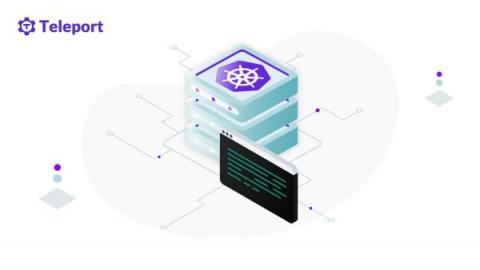
Containers are used for packaging software and all its dependencies before deployment. Before the era of containers, software developers had to deal with compatibility issues during deployment. These could occur when software functions properly during the development phase but fails to function due to dependency issues in the production environment. With containers, however, all the software dependencies used for development can be shipped and used in the production environment.
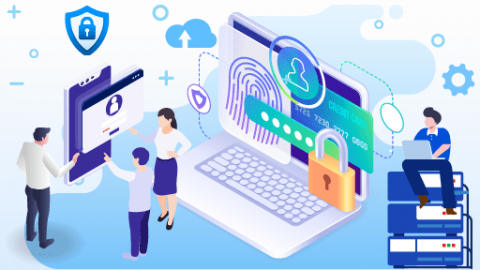
Cyber security risks have never been more apparent and costly. According to the survey data, the average cost to the U.S. organizations that experienced a cybersecurity breach in 2020 was approximately 8.64 million dollars per incident, up almost a half-million dollars from 2019. Rates of cyber security attacks and identity theft have significantly increased and seem to be only becoming easier for hackers and cybercriminals.
When a leading financial technology provider began posting record success and rapid customer growth, it needed a holistic security strategy to protect its customer data and comply with regulations such as the Payment Card Industry Data Security Standard (PCI DSS) and the California Consumer Privacy Act (CCPA).