Security Operation Centers (SOCs) offer a robust method of ensuring cybersecurity and safety within an organization. Their demand has continued to grow, specifically with a significant rise in cyber-attacks amidst a looming cybersecurity skills gap. However, despite a typical SOC analyst's immense training and knowledge, mitigating the increase in cyber-attacks is no easy job.
Compliance regulation is a necessary evil in the world of cybersecurity. As a CISO, you need to be aware of all compliance regulations that affect your organization so that you can ensure your security program meets these requirements while also protecting sensitive data.
What are cloud-native applications? According to the Cloud Native Computing Foundation (CNCF), the term “cloud native” describes systems that are specifically designed to help build and run scalable applications in all cloud environments, including public, private, and hybrid clouds. Cloud-native applications use the attributes of cloud architecture in ways that legacy systems can’t. They don’t need any onsite computing infrastructure and can scale quickly to meet demand.
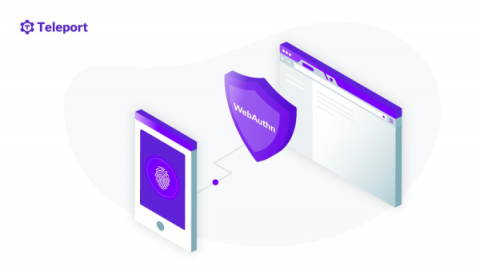
The WebAuthentication API, or WebAuthn, facilitates secure authentication based on public-key credentials. The idea of passwordless and public-key authentication is not new, but the compatibility and interoperability of various elements in the authentication process were always weak. WebAuthn API aims to solve that problem by bringing the uniform authentication API into web browsers.
This is the third part of a four-part blog series covering each of the four phases of the merger & acquisition (M&A) process and how you can build security into each phase. In case you missed it, Part 1 covered the why it’s important to integrate security into the due diligence process in the first phase of M&A and Part 2 covered integration planning and public announcement.
Network automation has many benefits for organizations adopting a DevOps model for managing their infrastructure, including speed, agility, and a consistent change control process. However, with improvements in speed, there comes an added risk of configuration errors rapidly propagating through the network. To safeguard against potential mistakes, network and security verification become an essential part of the network DevOps lifecycle.