What is Data Theft? 8 Tips & Tricks to Prevent Losing Your Data

Data theft is a major cybercrime whose growth has been fuelled by rapid digital advancements in recent years. It involves the illegal storage or exfiltration of data or financial information. This can include passwords, algorithms, software code, proprietary technologies, or other sensitive data. To help you better protect your organization against data theft, this article will discuss what data theft is, how it occurs, and how you can prevent it.
Seven Steps the Healthcare Industry Must Take to Protect Against Cyberattacks

Modern healthcare is amazing. Hundreds of people, devices, and gigabytes of data are all harmonized to save lives and keep people healthy. Unfortunately, the very pieces that help keep us well provide a perfect hunting ground for threat actors. Threat actors are attracted to the data rich environments in healthcare organizations.

8 Ways to Implement an Effective GRC Framework

Governance, Risk, and Compliance (GRC) is a broad organizational strategy that aims to align an entire organization’s focus on the achievement of business objectives, the management of business risks, and regulatory compliance. A solid foundational framework enables your organization to continue strengthening and refining its GRC strategy over time. It ensures each department’s objectives align with the business as a whole.

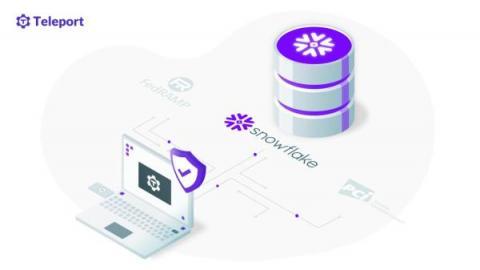
Securing Your Snowflake Database with Teleport Database Access

Picture this: unfortunately you had to let one of your engineers go. No matter how many times you tried to tell them, after countless interventions and meetings with the engineering lead, they simply wouldn’t stop using tabs instead of spaces. An absolutely unforgivable offense. A few weeks later, suddenly your production Snowflake database is wiped out. You log on to assess the damages and you check the SNOWFLAKE.ACCOUNT_USAGE.QUERY_HISTORY for every user in the system.

Singapore's PDPA Penalties Set to Increase Starting Oct 1

While the Singapore Personal Data Protection Act (PDPA) 2020 Amendment phases came into effect on Feb 1, 2021, starting on October 1, 2022, the maximum financial penalty for breaches of PDPA will be increased. Here’s what you need to know for the next phase of PDPA and how to ensure your information security practices are compliant to avoid penalties.

How Hacking Has Evolved Over Time

The only constant you can count on in technology is change. From microprocessors to PCs to smartphones to software, technology continues to become faster, smarter, and more sophisticated. But make no mistake: what’s changed the most in the world of technology over the past few decades is the hacker. Hackers are highly motivated to stay ahead of the latest security trends. It’s how they keep from getting caught, and how they keep the fun and profit rolling.

JUMPSEC Summer Industry Briefing Benchmarking EDR/MDR solutions

Benchmarking EDR/MDR Solutions presented by Tom Ellson, Head of Offensive Security We recently completed a review of a number of industry-recognised EDR and MDR solutions. This led us to take a novel approach that addresses many of the limitations and constraints typically met when undertaking this type of assessment. You will learn why context is key to threat detection, and how the different vendors performed in our realistic and representative environment against goal-focused attack paths.

How to reduce your exposure & secure your data in the cloud in 5 quick ways

More companies are switching from on-premises systems to public cloud services, ensuring long-term growth and digital resilience. But as their implementations grow, they begin to realize that their exposure to cyberattacks and other risks grows as well. Cybersecurity is an essential practice for successful businesses. Adapting to business growth is a good problem to have, but without an eye on cloud security, that growth could cost you in the long run.

Empower Users to Securely Access and Share Data

If the past several years of technology advancements, pandemic adjustments, and increased cyber threats has taught us anything, it’s that data security and governance are the responsibility of the entire corporate team. Of course, the primary responsibility rests with the executives and the CISO or security team they’ve empowered, but the scope and scale of protecting critical data assets is too large for any single business unit to tackle.